





What's Happening?
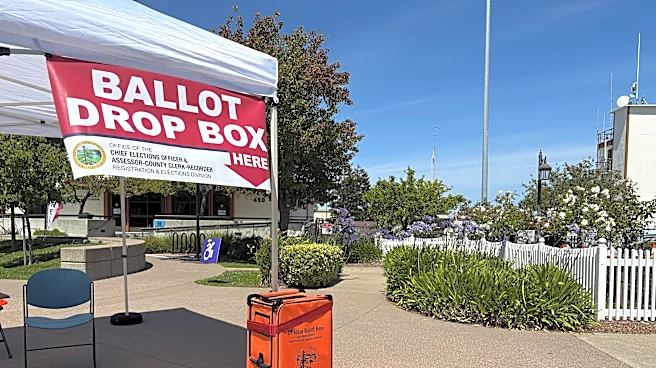
The U.S. Solicitor General's reply brief to the Supreme Court, concerning a lower court injunction against a U.S. Postal Service (USPS) rule on mail ballots, conspicuously omits any discussion of the potential harms to states, voters, or election integrity.
According to the Election Law Blog, the brief dedicates a section to the harms the government is allegedly suffering but provides no corresponding account of the detrimental impacts on other stakeholders if the USPS rule were to be applied in the upcoming election. This silence is notable, especially since a preliminary injunction was issued based on extensive evidence from election officials detailing these harms. The USPS itself, during its rulemaking procedure, also failed to acknowledge the severe consequences of states' inability to comply with the rule, nor did it justify its application to the ongoing election. State plaintiffs argue that these failures render the USPS's choice of the rule's effective date arbitrary and capricious, a point the Solicitor General does not contest on its merits, instead arguing that courts lack authority to assess the rule's arbitrariness.
Why It's Important?
The omission of potential harms in the Solicitor General's brief is significant because it presents a one-sided argument to the Supreme Court, potentially influencing the Court's decision on whether to grant a stay motion. If the USPS rule is reinstated, it could severely impact voter access and the administration of elections, particularly for states that cannot comply with the new requirements. The rule mandates specific bar codes for each voter on ballot envelopes, which many counties currently lack the infrastructure or vendor access to implement. This could lead to increased rejection rates of mail-in ballots, disenfranchising voters and undermining confidence in election results. The legal battle highlights ongoing tensions between federal regulations and state-level election administration, with potential implications for the fairness and accessibility of future elections.
What's Next?
The Supreme Court will decide whether to grant the government's stay application, which would allow the USPS rule to take effect. If the stay is granted, states and local election officials will face immediate challenges in complying with the rule, potentially leading to widespread issues with mail-in voting. Conversely, if the stay is denied, the lower court's injunction will remain in place, preventing the rule from being enforced for the upcoming election. This would provide states with more time to adapt or challenge the rule further. Regardless of the Supreme Court's decision, the legal challenges surrounding mail-in voting rules and postal service regulations are likely to continue, impacting election integrity and voter participation in future cycles. Election officials will need to rapidly adapt to any ruling to ensure that voters can cast their ballots effectively.
Beyond the Headlines
This legal dispute extends beyond immediate election logistics, touching upon fundamental questions of federal oversight versus state autonomy in election administration. The argument that courts lack authority to assess the arbitrariness of USPS rules concerning mailability could set a precedent that limits judicial review of administrative actions, potentially reducing accountability. Furthermore, the practical difficulties faced by counties, particularly those in Republican-leaning areas that may lack the necessary infrastructure, highlight a partisan divide in the impact of such regulations. The situation underscores the broader challenge of modernizing election processes while ensuring equitable access and maintaining public trust, especially in an environment where election integrity is a highly politicized issue. The outcome could influence future legislative efforts to reform or regulate the USPS and its role in the electoral process.