


What's Happening?
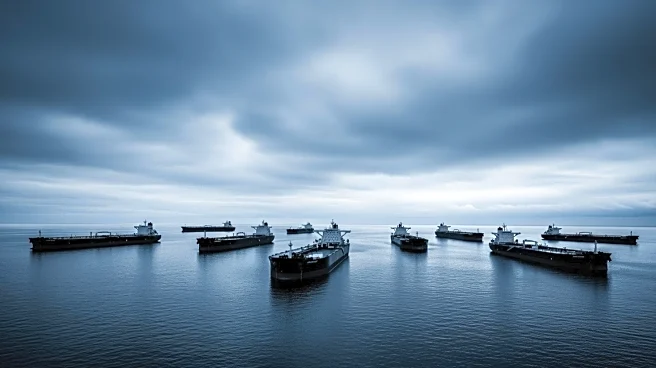
The United States has imposed sanctions on a fleet of nine ships accused of transporting Iranian oil to foreign markets, in response to Iran's internet shutdown during a crackdown on nationwide protests. The U.S. Treasury Department announced these sanctions as a measure
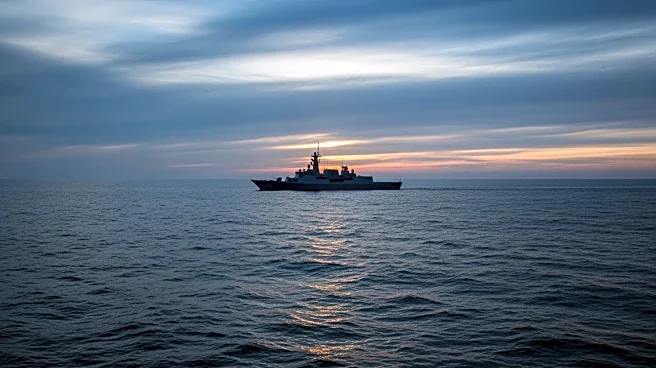
to target the financial mechanisms Iran uses to fund its repression of citizens. The vessels, flagged from countries like Palau and Panama, are part of a shadow fleet that facilitates the transport of goods under international sanctions. This action is part of escalating tensions between the U.S. and Iran, with an American aircraft carrier group moving closer to the Middle East as a precautionary measure.
Why It's Important?
The sanctions highlight the U.S. strategy to exert economic pressure on Iran by targeting its oil revenue, a critical source of funding for the Iranian government. This move is significant as it aims to disrupt Iran's ability to finance its internal security operations, which have been used to suppress dissent. The sanctions also underscore the broader geopolitical tensions between the U.S. and Iran, potentially affecting global oil markets and international diplomatic relations. The U.S. action could lead to further isolation of Iran from the global financial system, impacting its economy and potentially leading to increased domestic unrest.
What's Next?
The U.S. may continue to increase pressure on Iran through additional sanctions or military posturing, as indicated by the deployment of an aircraft carrier group to the region. Iran's response to these sanctions and the presence of U.S. military forces could further escalate tensions. International stakeholders, including European allies and other global powers, may be drawn into diplomatic efforts to de-escalate the situation. The ongoing protests in Iran and the government's response will likely continue to be a focal point for international human rights organizations and could influence future U.S. foreign policy decisions.