

What's Happening?
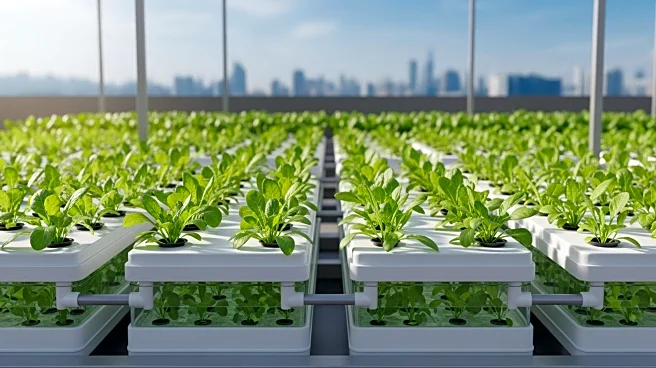
Hydroponic farming is emerging as a viable solution for urban areas facing challenges such as rapid urbanization, limited green spaces, and climate change. This method of agriculture, which does not require soil, uses a nutrient-rich water solution to
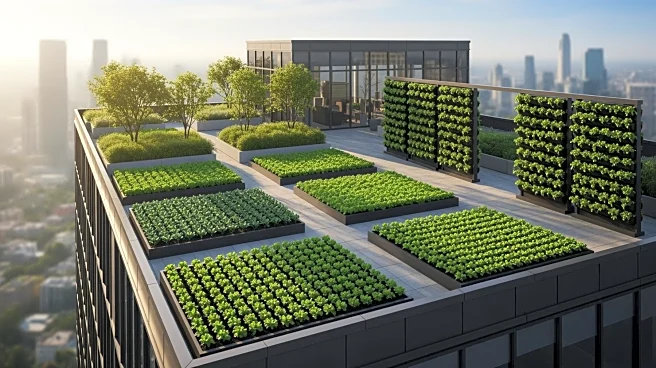
grow plants. It is particularly beneficial in areas with poor soil quality, frequent flooding, unreliable water supply, or limited space. Hydroponic systems can be established on rooftops and in unused urban spaces like abandoned warehouses and parking lots. In South Africa, particularly in low-income areas, hydroponics is being explored as a means to improve access to fresh, nutritious food. The method uses 90% less water and 99% less land than traditional farming, and can yield up to ten times more produce. However, the high initial costs and the need for reliable electricity and water supply pose challenges. The success of hydroponics in urban settings depends on making the technology affordable and providing necessary training.
Why It's Important?
The adoption of hydroponic farming in urban areas could significantly impact food security, especially in densely populated cities with limited agricultural land. By reducing water usage and land requirements, hydroponics offers a sustainable alternative to traditional farming methods. This is crucial in regions facing water scarcity and urban sprawl. The method's ability to produce high yields in controlled environments can ensure a steady supply of fresh produce, reducing dependency on rural agriculture and long supply chains. For low-income communities, hydroponics can provide a reliable source of nutrition and potentially create economic opportunities through urban farming initiatives. The integration of hydroponics into urban planning could also lead to greener cities and contribute to environmental sustainability.
What's Next?
For hydroponic farming to reach its full potential, several steps need to be taken. Policymakers, community organizations, and the private sector must collaborate to make hydroponic systems more accessible and affordable. This includes subsidizing costs, offering low-interest loans, and providing training programs for urban farmers. Additionally, urban planning should incorporate spaces for hydroponic farming, such as rooftop gardens and community greenhouses. Partnerships between governments, NGOs, and private companies can facilitate access to new technologies and support for hydroponic farmers. As these systems become more widespread, they could play a significant role in addressing urban food security and promoting sustainable agriculture practices.