



What's Happening?
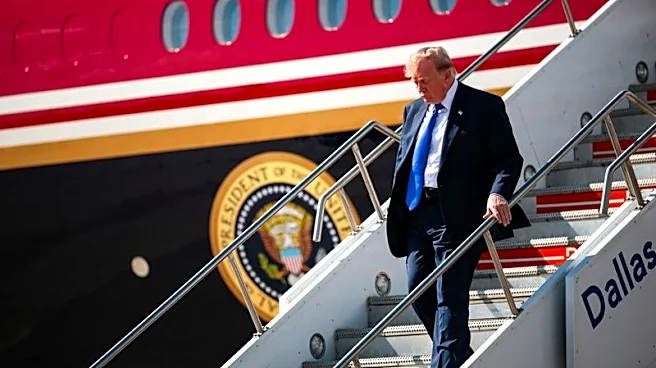
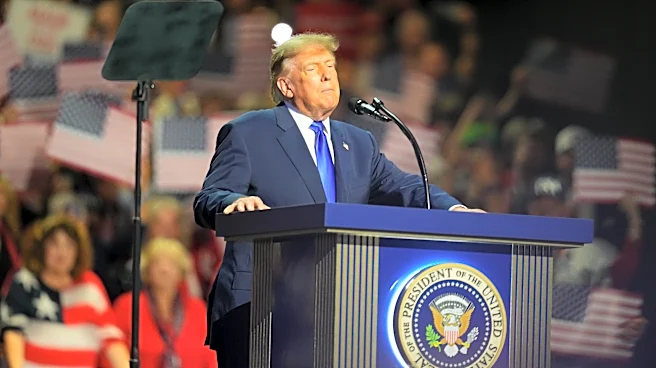
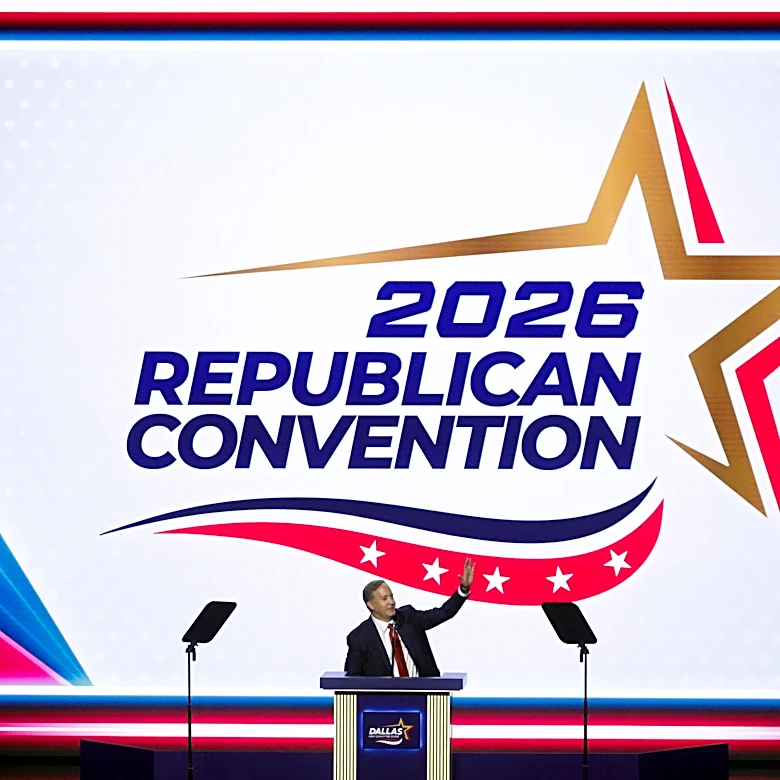
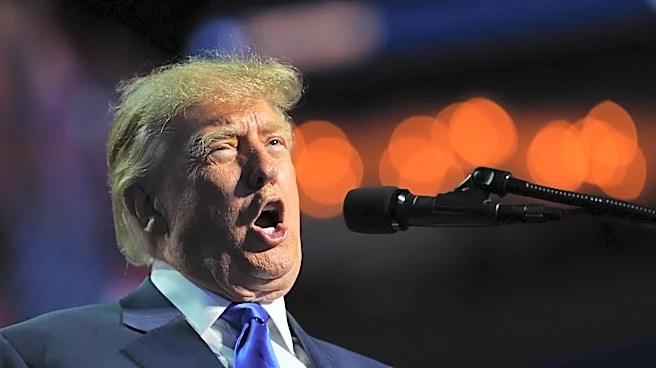
During a Republican convention in Dallas, Texas, President Trump announced a proposal to provide $5,000 to every American adult if the Republican Party retains control of Congress in the upcoming November midterm elections. This initiative, which he termed
the 'Trump dividend,' is intended to galvanize his conservative base and improve Republican chances in the midterms, where polls indicate the party is struggling against Democrats. Vice President JD Vance later suggested that the payments might not extend to wealthy individuals and could be funded by U.S. tariff revenues. However, the proposed sum is estimated to cost over $1 trillion, significantly exceeding current U.S. tariff revenues and potentially exacerbating the national debt, which recently surpassed $40 trillion.
Why It's Important?
President Trump's proposal of a $5,000 'Trump dividend' is a significant political maneuver aimed at influencing the midterm elections. If implemented, it would represent a massive fiscal undertaking, potentially adding over $1 trillion to the national debt and raising concerns about inflation. The economic impact could be substantial, affecting the U.S. budget deficit and potentially leading to debates about fiscal responsibility. Politically, this promise could energize a segment of the electorate, but it also faces criticism regarding its feasibility and economic implications. The proposal highlights the use of direct financial incentives as a campaign strategy, which could set a precedent for future elections. It also underscores the ongoing debate about government spending and its effects on the national economy.
What's Next?
The immediate focus will be on the upcoming November midterm elections, where the success of President Trump's proposal hinges on Republican control of Congress. If Republicans secure both the House and Senate, the proposal would then require congressional approval, likely leading to intense legislative debates over funding mechanisms and economic consequences. Opponents are expected to scrutinize the plan's financial viability and its potential impact on inflation and the national debt. The discussion around the 'Trump dividend' will likely continue to be a central theme in political discourse, influencing voter sentiment and shaping campaign strategies leading up to the elections. The outcome will determine whether this ambitious financial promise moves from a campaign pledge to a legislative reality.
Beyond the Headlines
President Trump's 'Trump dividend' proposal delves into the deeper implications of populist economic policies and their role in modern political campaigns. It raises questions about the long-term sustainability of such large-scale direct payments and their potential to reshape the relationship between citizens and the government. Ethically, it sparks debate about whether such promises constitute responsible governance or a form of electoral inducement. Culturally, it reflects a growing public expectation for direct economic relief, especially in times of economic uncertainty. This approach could further entrench the idea of government-provided financial support as a political tool, potentially altering voter behavior and the nature of political accountability in the U.S. The debate also touches on the broader economic philosophy of using tariffs as a primary revenue source for domestic spending.