

What's Happening?
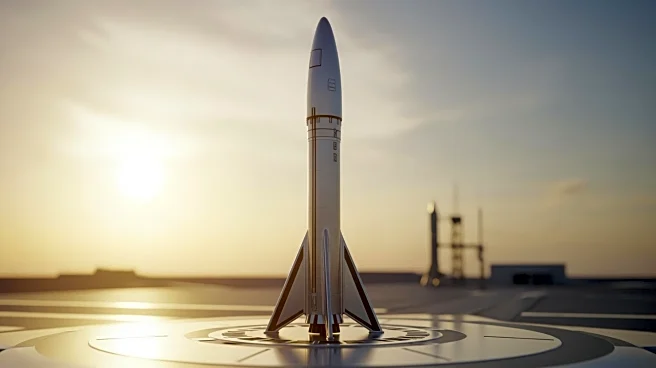
United Launch Alliance (ULA) is preparing to launch its first modified Vulcan rocket this summer, as announced by interim CEO John Elbon. The modifications, which include improvements to the nozzle and solid rocket boosters, were planned prior to an anomaly
experienced during a February mission for the Space Force. ULA is expediting these upgrades to enhance performance margins. A static fire test of the modified hardware is scheduled for the end of April, with production of the first flight set of nozzles already underway. Additionally, ULA is adapting its Centaur V upper stage for NASA's Artemis lunar missions, starting with Artemis IV, which may require further modifications for integration with the Space Launch System (SLS).
Why It's Important?
The modifications to the Vulcan rocket and its integration into NASA's Artemis program highlight ULA's strategic role in advancing U.S. space exploration capabilities. The Vulcan's enhancements aim to improve reliability and performance, crucial for supporting both national security and scientific missions. The collaboration with NASA on the Artemis program underscores the importance of public-private partnerships in achieving ambitious space exploration goals. Successful integration of the Centaur V with the SLS could streamline future lunar missions, potentially accelerating the timeline for human exploration beyond low Earth orbit.
What's Next?
ULA plans to conduct a static fire test of the modified Vulcan hardware by the end of April, with the first launch anticipated in the summer. The results of this test will be critical in determining the readiness of the rocket for its upcoming missions. Meanwhile, ULA will continue to assess the necessary modifications for the Centaur V's integration with the SLS, which could influence the timeline and execution of future Artemis missions. Stakeholders, including NASA and the Department of Defense, will be closely monitoring these developments.