




What's Happening?
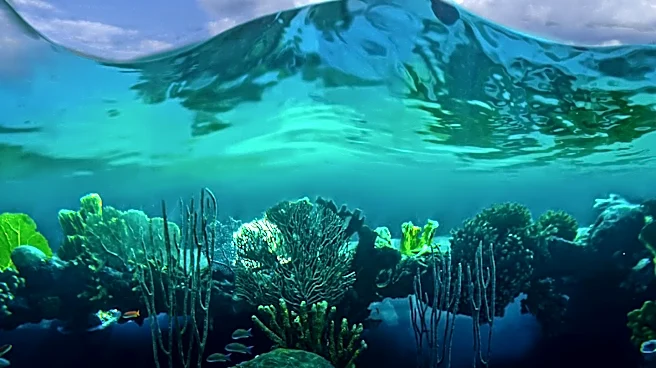
In 2024, Con Dao National Park experienced a severe coral bleaching event, with mortality rates reaching 80% to 90% in some areas due to rising sea temperatures. This event was exacerbated by unusually prolonged hot weather, making it one of the most
severe bleaching incidents recorded in the area. In response, the park, with the help of experts, has initiated a comprehensive coral restoration program. By June 2026, surveys indicated positive signs of recovery, with many coral colonies regaining their natural color and young corals beginning to grow. The park has also established a coral nursery to support restoration efforts and is maintaining a regular monitoring program to track the health of the marine ecosystem.
Why It's Important?
The restoration of coral reefs in Con Dao National Park is crucial for maintaining biodiversity and supporting marine life, which is vital for local fisheries and tourism. Coral reefs are essential for protecting coastlines from erosion and providing habitat for numerous marine species. The recovery efforts not only aim to restore the damaged ecosystems but also to ensure the long-term sustainability of marine resources, which are integral to the livelihoods of local communities. The initiative highlights the importance of conservation efforts in mitigating the impacts of climate change on marine environments.
What's Next?
Con Dao National Park plans to continue its restoration efforts through 2030, aiming to restore 5-10 hectares of degraded coral reefs and plant approximately 10 hectares of mangrove forests. The park will also conduct regular patrols to prevent illegal exploitation and engage local communities in conservation activities. These efforts are expected to enhance the resilience of the marine ecosystem and support sustainable development in the region.
Beyond the Headlines
The coral restoration efforts in Con Dao highlight the broader challenges of climate change and its impact on marine ecosystems. The initiative underscores the need for global cooperation in addressing environmental issues and the importance of local actions in conservation. The involvement of local communities in these efforts demonstrates a growing awareness and commitment to environmental stewardship, which is essential for the success of long-term conservation strategies.