








What's Happening?
According to the latest UBS Global Wealth Report, Russia has the second-highest level of wealth inequality in the world, trailing only the United Arab Emirates. The report highlights that Russia's Gini coefficient, a measure of income inequality, stood
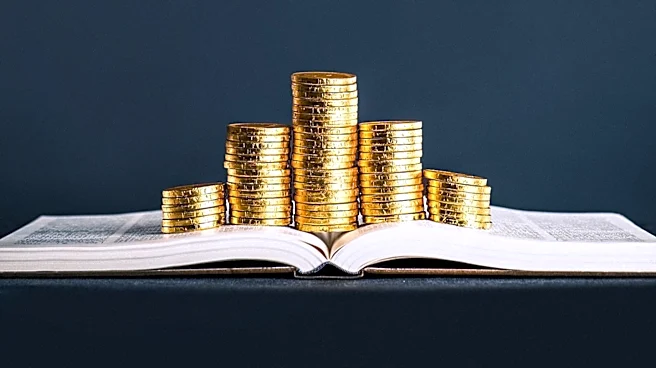
at 0.82 at the end of 2025. This places it ahead of countries like South Africa and Brazil, which have coefficients of 0.81. The report also notes a significant increase in the number of dollar-denominated millionaires in Russia, which rose by 5.2% in 2025, reaching 447,000. Alexei Mordashov, a major shareholder in Severstal, topped the list of Russian billionaires, with his wealth increasing by $8.1 billion over the year. Russia is also noted for its wealth growth, with average real wealth per adult rising by 37% since the start of the decade.
Why It's Important?
The findings of the UBS report underscore the growing economic disparity within Russia, which could have significant social and political implications. The concentration of wealth among a small elite may lead to increased social tensions and calls for economic reforms. Additionally, the rise in the number of millionaires and billionaires highlights the uneven distribution of economic gains, which could influence public policy and economic strategies. The report's findings also reflect broader global trends of wealth concentration, which could impact international economic relations and policy-making.
What's Next?
The continued growth in wealth inequality in Russia may prompt discussions on economic policy and potential reforms aimed at addressing the disparity. Policymakers might face pressure to implement measures that promote more equitable wealth distribution. Additionally, the international community may monitor these developments closely, as they could affect Russia's economic stability and its role in the global economy. The report's findings could also influence future economic forecasts and investment strategies in Russia.
Beyond the Headlines
The report's insights into wealth inequality in Russia highlight deeper issues related to economic governance and the distribution of resources. The concentration of wealth among a small elite could exacerbate existing social divides and challenge the country's long-term economic sustainability. Furthermore, the report raises questions about the effectiveness of current economic policies and the potential need for structural reforms to ensure more inclusive growth. These developments could also impact Russia's international relations, as economic inequality may influence its geopolitical strategies and partnerships.