



What's Happening?
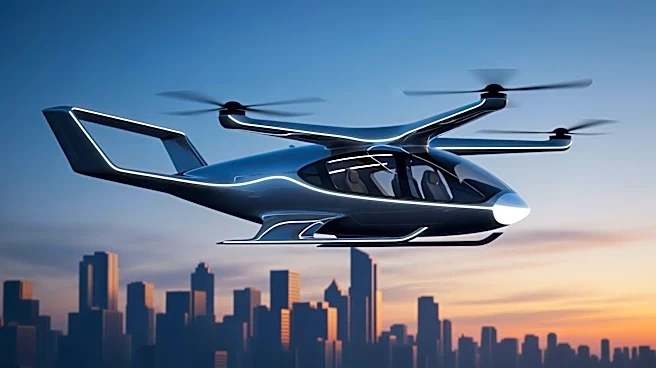
Joby Aviation Inc. is conducting demonstration flights of its electric air taxis between John F. Kennedy International Airport and Manhattan. These flights aim to showcase the quieter, zero-emission capabilities of Joby's electric vertical takeoff and landing
vehicles (eVTOLs). The demonstration marks New York's first point-to-point trips using eVTOLs, following a test flight from the downtown heliport in 2023. The flights will follow existing helicopter routes operated by Blade Urban Air Mobility, a division of Joby, and will include pilots but no passengers. This initiative is part of a federal program designed to accelerate the integration of air taxis into U.S. airspace. Joby plans to start passenger flights in New York, Texas, and Florida later this year, pending approval from the U.S. Federal Aviation Administration.
Why It's Important?
The introduction of electric air taxis in New York City represents a significant step towards reducing urban noise pollution and advancing sustainable transportation. Joby's eVTOLs are reportedly much quieter than traditional helicopters, which have been a source of noise complaints in the city. The quieter operation of these aircraft could lead to improved urban living conditions and a reduction in noise-related disturbances. Additionally, the use of zero-emission vehicles aligns with broader environmental goals and could contribute to cleaner air in densely populated areas. The successful integration of air taxis into U.S. airspace could pave the way for similar initiatives in other cities, potentially transforming urban transportation and reducing reliance on ground-based vehicles.
What's Next?
Joby Aviation is seeking approval from the U.S. Federal Aviation Administration to begin commercial operations. If successful, the company plans to launch passenger flights in New York, Texas, and Florida later this year. The federal program supporting these demonstration flights aims to help cities develop necessary infrastructure and familiarize the public with air taxis. As the program progresses, stakeholders including city planners, transportation authorities, and the public will likely engage in discussions about the integration of air taxis into existing transportation networks. The outcome of these discussions could influence future regulatory decisions and the expansion of air taxi services across the U.S.
Beyond the Headlines
The introduction of electric air taxis raises questions about urban infrastructure and regulatory frameworks needed to support new transportation technologies. As cities adapt to accommodate air taxis, considerations around airspace management, safety standards, and public acceptance will be crucial. The shift towards quieter, zero-emission aircraft also highlights the growing demand for sustainable urban mobility solutions. This development could encourage further innovation in electric aviation and influence policy decisions related to environmental sustainability and urban planning.