







What's Happening?
The Food and Agriculture Organization (FAO) and the Intergovernmental Authority on Development (IGAD) have issued a disease risk alert for Rift Valley fever in Eastern Africa. This warning comes in response to forecasts of intense rainfall and flooding
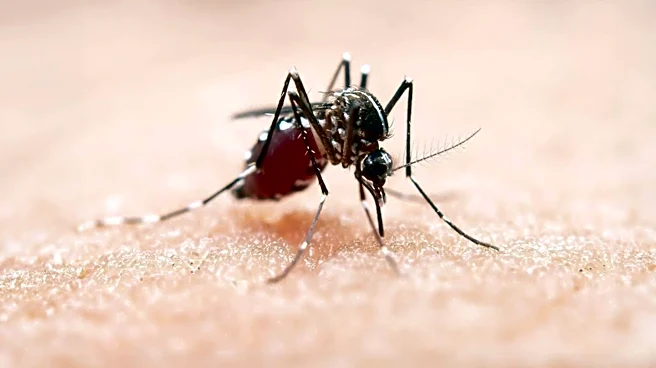
across the region, which create optimal conditions for mosquito breeding and subsequent viral transmission. Rift Valley fever spreads through mosquito bites and direct contact with infected animals such as sheep, goats, and camels. The movement of these infected animals across borders can further facilitate the spread of the virus, especially during periods of significant environmental disruption. The FAO-EMPRES program, which has supported disease surveillance in the region for three decades, notes that the full extent of current infection clusters remains unknown due to flooding hindering active veterinary monitoring. This alert follows a historical pattern, drawing comparisons to the major Rift Valley fever epidemic and epizootic that occurred in the region in 1997-98, providing a framework for assessing potential outbreak severity.
Why It's Important?
The issuance of this alert is crucial due to the significant public health and economic implications for Eastern Africa. The environmental shifts, driven by El Niño conditions, are intensifying the threat of viral outbreaks, which can devastate livestock populations, a primary source of livelihood for many communities in the region. The disease's potential to spread to humans poses a direct public health crisis, requiring immediate preventative measures and heightened surveillance. The disruption to veterinary monitoring caused by flooding further complicates efforts to contain the disease, increasing the risk of a widespread outbreak. Historically, such epidemics have led to substantial economic losses due to animal deaths, trade restrictions, and healthcare burdens. The current situation underscores the vulnerability of the region to climate-driven health crises and the critical need for robust international cooperation in disease surveillance and control to protect both animal and human populations.
What's Next?
In the immediate future, residents in affected areas are advised to avoid contact with animals suspected of being sick or those that have recently miscarried. Local communities are also urged to enhance insect control measures to minimize exposure to mosquito-borne pathogens. Public health agencies are emphasizing the importance of managing animal movement to prevent the further expansion of the virus. Residents are encouraged to report any unusual animal health occurrences to local veterinary services promptly to aid in mitigating regional risks. The FAO and IGAD will likely continue to monitor environmental conditions and disease progression, providing updated guidance and support to national governments. International efforts will focus on bolstering surveillance capabilities, providing resources for disease control, and preparing for potential humanitarian responses should the outbreak escalate.
Beyond the Headlines
This Rift Valley fever alert highlights the broader challenges posed by climate change and its impact on global health security. The increased frequency and intensity of extreme weather events, such as heavy rainfall and flooding, create fertile grounds for zoonotic diseases to emerge and spread. This situation underscores the interconnectedness of environmental health, animal health, and human health, a concept central to the 'One Health' approach. The economic stability of communities heavily reliant on livestock is directly threatened, potentially exacerbating food insecurity and poverty in an already vulnerable region. Furthermore, the incident serves as a stark reminder of the need for proactive, long-term strategies that integrate climate adaptation with public health preparedness, ensuring that regions prone to such outbreaks are equipped to predict, prevent, and respond effectively to future health crises.