





What's Happening?
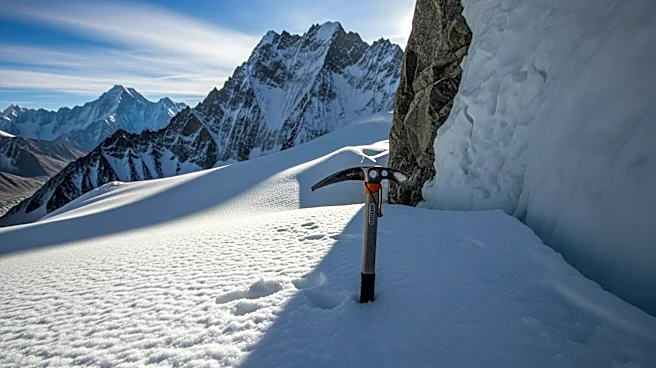
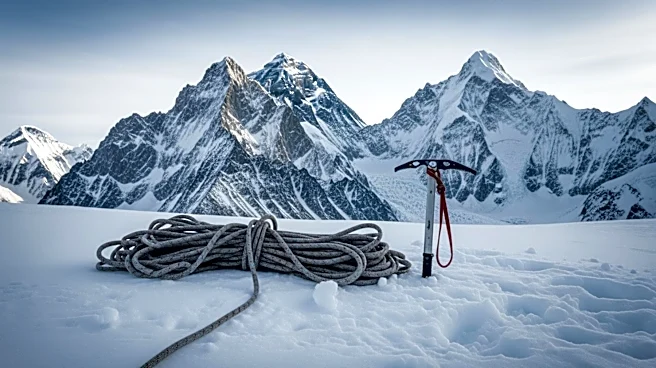
Dawa Sherpa, a Nepali mountaineer, survived six days on Mount Everest after being left behind in the 'death zone' where oxygen levels are critically low. He was found crawling towards Base Camp and was airlifted to Kathmandu for treatment of frostbite,
severe dehydration, and a fractured thigh bone. His survival story has sparked both celebration and anger, with calls for an investigation into the negligence that led to his abandonment. The Nepal Mountaineering Association has urged the government to form a committee to investigate the incident. This season, at least five climbers have died on Everest, highlighting the dangers of overcrowding and the need for stricter safety measures.
Why It's Important?
The incident underscores the risks associated with climbing Mount Everest, particularly during peak seasons when overcrowding can exacerbate safety issues. The Nepali government issued a record number of climbing permits this year, raising over $7 million, but the influx of climbers has led to increased congestion and potential safety oversights. The situation calls for a reevaluation of climbing regulations to ensure the safety of climbers and prevent future tragedies. The mountaineering community is advocating for stricter controls on the number of climbers allowed and better safety protocols to protect both climbers and guides.
What's Next?
An investigation into the circumstances surrounding Dawa Sherpa's ordeal is expected, which could lead to changes in how climbing expeditions are managed on Everest. The Nepal Mountaineering Association's call for a government committee to investigate may result in new regulations or guidelines aimed at improving safety. Additionally, there may be increased scrutiny on the qualifications and preparedness of climbers, as well as the responsibilities of expedition organizers to ensure climber safety.