
What's Happening?
The 2028 U.S. presidential election is seeing an unexpectedly early activation, with figures from both major parties signaling potential candidacies. Hunter Biden, son of former President Joe Biden, stated in a September 6 radio interview that he might
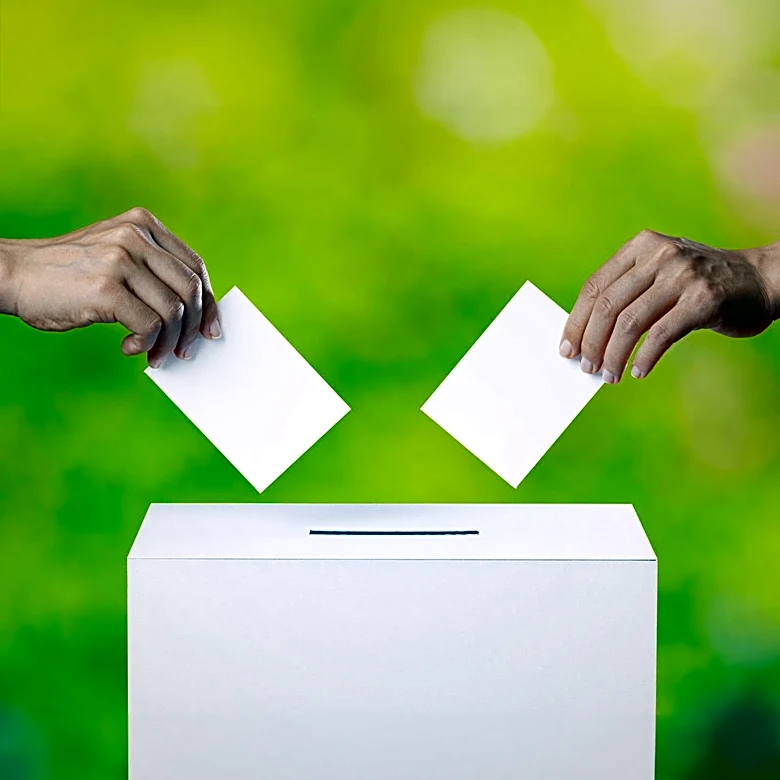
consider running for president in 2028 if he receives sufficient support. He acknowledged a strong pool of potential Democratic candidates, including Kentucky Governor Andy Beshear, Illinois Governor JB Pritzker, and California Governor Gavin Newsom. Concurrently, Republican Senator Ted Cruz of Texas is reportedly exploring a presidential campaign, conducting polls and visiting battleground states. Cruz has openly expressed his ambition to become president, building on his experience from the 2016 Iowa caucus victory. This early maneuvering is occurring even before the 2026 midterm elections, indicating a heightened pace in the lead-up to the next presidential cycle.
Why It's Important?
The early indications of presidential bids from both Hunter Biden and Senator Ted Cruz underscore a significant shift in U.S. political strategy, where potential candidates are beginning their campaigns much earlier than in previous cycles. This accelerated timeline is crucial for building name recognition, fundraising, and establishing a robust campaign infrastructure. For the Democratic Party, Hunter Biden's potential entry could complicate the field, potentially drawing attention from other prominent figures like Vice President Kamala Harris and Senator Jon Ossoff. On the Republican side, Ted Cruz's early exploration signals a competitive primary, challenging the perceived frontrunner status of individuals like Vice President JD Vance. This early engagement allows candidates to test their messages, build grassroots support, and secure key endorsements, all of which are vital for a successful presidential campaign. The 'DeSantis trap,' a lesson from former Florida Governor Ron DeSantis's delayed announcement, highlights the strategic importance of early entry to maintain media advantage and voter engagement.
What's Next?
The coming months are expected to see increased activity from potential 2028 presidential candidates as they continue to explore their options and build support. Both Democratic and Republican hopefuls will likely engage in more public appearances, private meetings with donors, and informal polling to gauge their viability. The 2026 midterm elections will serve as a critical benchmark, influencing the political landscape and potentially clarifying the field for 2028. Candidates who perform well or gain significant visibility during the midterms may see their presidential prospects boosted. The early start suggests that formal announcements and the formation of exploratory committees could begin well before the traditional campaign season, setting the stage for a prolonged and intense presidential race. Stakeholders, including political parties, media, and voters, will be closely watching these developments for further clues about the future direction of U.S. politics.
Beyond the Headlines
The premature activation of the 2028 presidential race reflects a broader trend in U.S. politics: the perpetual campaign cycle. This continuous campaigning blurs the lines between election cycles, placing immense pressure on potential candidates to maintain visibility and relevance. For Hunter Biden, a potential run would inevitably bring renewed scrutiny to his personal and business dealings, which have been a source of controversy. For Ted Cruz, an early start allows him to re-establish his conservative credentials and build a national coalition, potentially positioning himself as a strong alternative to other Republican contenders. This early jockeying also highlights the increasing role of media and public perception in shaping political narratives, as candidates strive to define themselves and their opponents long before official campaigns begin. The implications extend to voter fatigue and the potential for a prolonged period of political polarization, as the nation remains in a constant state of electoral anticipation.