






What's Happening?
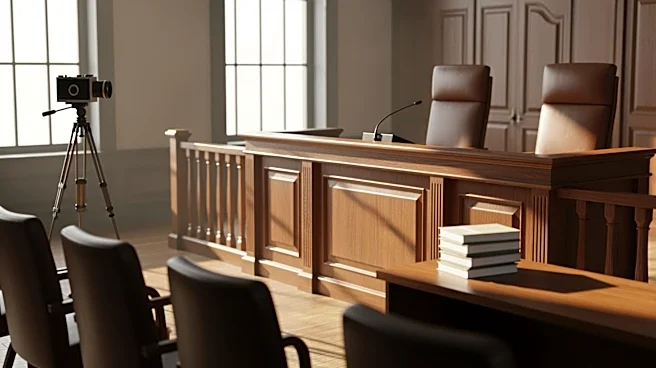
A bill proposing the introduction of cameras in federal courtrooms has advanced, sparking a debate over congressional authority. The bill's progress comes as courts are expected to challenge Congress's ability to impose such rules. This development is part
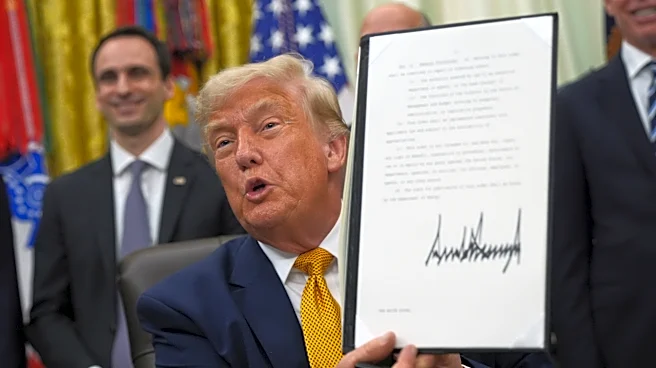
of a broader discussion on transparency and public access to judicial proceedings. The Trump administration has also been involved in a separate legal argument, asserting that the executive branch holds exclusive authority to determine statutory violations, particularly in defense of Elon Musk's data center. Additionally, New York has decided to maintain the mandatory retirement age for judges, reflecting ongoing discussions about judicial reforms.
Why It's Important?
The advancement of the cameras in courtrooms bill highlights a significant push towards increased transparency in the judicial system. If implemented, it could transform public access to federal court proceedings, potentially influencing public perception and trust in the judiciary. However, the anticipated legal challenges underscore the tension between legislative and judicial branches over jurisdictional boundaries. The Trump administration's stance on executive authority in statutory interpretation could set precedents affecting future executive-legislative relations. These developments collectively indicate a period of potential change and conflict in U.S. governance structures, impacting legal professionals, policymakers, and the public.
What's Next?
As the bill progresses, it is likely to face legal challenges from the judiciary, which may argue that Congress cannot impose such rules on federal courts. This could lead to a significant legal battle over the separation of powers. The outcome of this dispute could have lasting implications for how federal court proceedings are conducted and accessed by the public. Additionally, the Trump administration's legal arguments may prompt further scrutiny and debate over executive authority, potentially influencing future legislative and judicial interactions.