





What's Happening?
A joint ministerial statement, led by the UK and supported by 31 international partners, has issued a stark warning about the escalating risk of famine in Sudan. The statement, published on October 23, indicates that an estimated 19.5 million people are
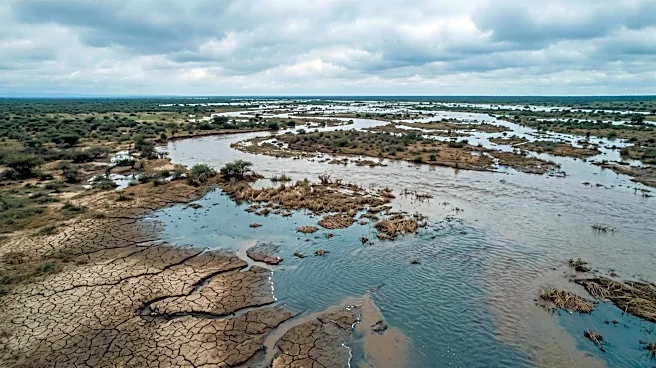
experiencing high levels of acute food insecurity, with 5 million facing emergency levels. The number of children suffering from severe acute malnutrition could exceed 825,000 if the current trajectory continues. Conflict is identified as the primary driver of this hunger crisis, displacing millions, damaging infrastructure, and disrupting essential services like healthcare and food production. The crisis is further compounded by systematic obstruction of humanitarian aid, the effects of El Niño leading to reduced rainfall, and rising prices.
Why It's Important?
This international warning underscores a rapidly deteriorating humanitarian situation that demands immediate global attention and action. For the U.S. and its allies, the potential for widespread famine in Sudan represents a significant humanitarian catastrophe and a challenge to international stability. The call for unrestricted humanitarian access, protection of aid workers, and increased funding directly impacts U.S. foreign policy and aid commitments. Failure to address this crisis could lead to mass displacement, regional instability, and increased pressure on international resources. The statement also highlights the ethical and legal implications, noting that deliberate deprivation of food and obstruction of relief efforts could constitute war crimes or crimes against humanity, aligning with international legal frameworks that the U.S. supports.
What's Next?
The joint statement urges the warring parties in Sudan to lift all restrictions on aid, protect humanitarian personnel, and allow air access into Darfur to facilitate rapid aid deployment and medical evacuations. It also calls for measures to reduce bureaucratic hurdles for aid deliveries, such as delays in visas and customs clearance. The international community is pressed to urgently increase humanitarian funding to meet the growing needs and adapt development programs to the worsening food security situation. Additionally, there's a call for stronger civil-military coordination to protect aid facilities and for both sides of the conflict to refrain from attacking civilian infrastructure, particularly agricultural and food systems. The General Coordination for Displaced Persons and Refugees has specifically called for a 90-day humanitarian truce.
Beyond the Headlines
The famine risk in Sudan is not merely a consequence of conflict but also a complex interplay of climate change (El Niño), economic instability (rising prices, currency depreciation), and deliberate actions by warring factions. This situation reveals how multiple crises can converge to create an unprecedented humanitarian disaster. The systematic obstruction of aid and the targeting of civilian infrastructure suggest a weaponization of hunger, raising profound ethical and legal questions about the conduct of war. The long-term implications include the potential for a lost generation due to malnutrition and lack of education, severe demographic shifts from mass displacement, and the erosion of social cohesion. Addressing this crisis requires not only immediate humanitarian intervention but also sustained diplomatic pressure to ensure accountability and foster conditions for long-term recovery and resilience.