







What's Happening?
A recent study published in Science highlights the alarming risk of extinction facing flowering plants due to human pressures. The research, conducted by an international team of biologists, uses the EDGE (Evolutionarily Distinct and Globally Endangered)
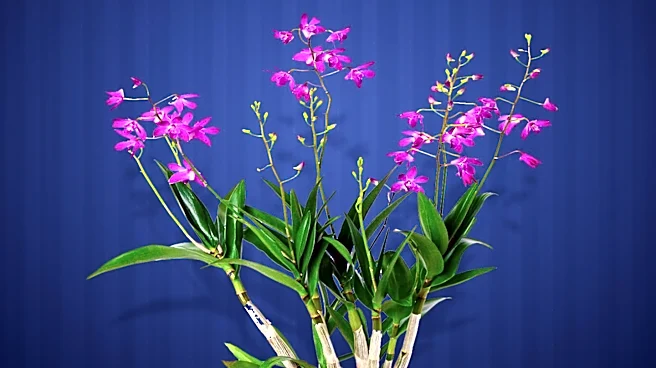
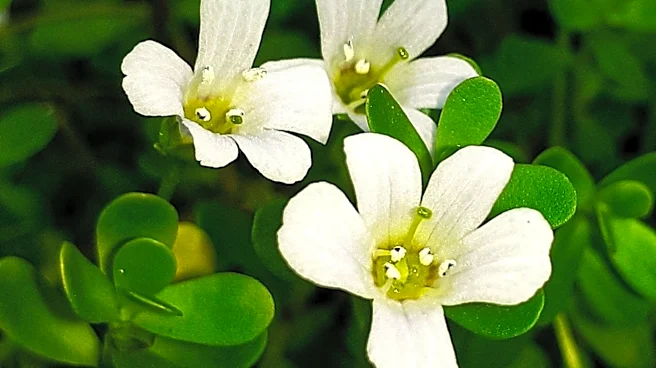
approach to assess the extinction stakes for angiosperms, or flowering plants. This method combines a species' evolutionary distinctiveness with its risk of extinction to prioritize conservation efforts. The study reveals that 21.2% of the evolutionary history of flowering plants is at risk, with 9,945 species identified as both evolutionarily unique and globally endangered. Notable species at risk include the vanilla orchid and the corpse flower. The research underscores the importance of these plants as essential components of Earth's ecosystems, providing air and food, and highlights the potential loss of unique species that could lead to breakthroughs in medicine.
Why It's Important?
The potential extinction of flowering plants poses significant threats to biodiversity and human well-being. These plants are crucial for maintaining ecosystems that provide essential services such as air purification and food production. The loss of unique species could also hinder scientific advancements, particularly in medicine, where plants have historically been sources of new drugs. The study calls for urgent conservation efforts to protect these irreplaceable species, emphasizing the need for a new generation of conservation monitoring and action. This is particularly critical as more than two in five plants are estimated to be at risk of extinction, with many yet to be discovered. The findings highlight the need for targeted conservation strategies to preserve biodiversity and ensure the continued benefits that these plants provide to society.
What's Next?
The study's authors advocate for increased conservation efforts focused on the most at-risk species identified by the EDGE scores. This includes allocating resources to protect the evolutionary history of flowering plants and prevent the loss of species that are both unique and endangered. Conservation programs worldwide are encouraged to use these findings to prioritize their efforts and make a significant impact on biodiversity preservation. The research also calls for greater awareness and action from policymakers, conservationists, and the public to address the threats facing these vital plant species. As the study highlights the potential for losing species that could contribute to future scientific breakthroughs, there is a pressing need to integrate conservation strategies into broader environmental and policy frameworks.