


What's Happening?
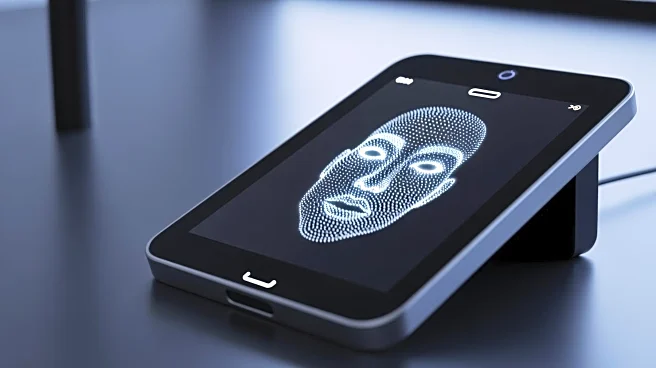
A lawsuit has been filed against the Department of Homeland Security (DHS) alleging that federal agents used facial recognition technology to identify a woman, raising concerns about privacy and potential retaliation. The incident occurred in Minnesota,
where U.S. Immigration and Customs Enforcement (ICE) operations have been a significant topic of discussion. The woman involved claims that the use of such technology by federal agents was an invasion of privacy and constituted retaliation. This case highlights the ongoing debate over the balance between security measures and individual privacy rights, particularly in the context of immigration enforcement.
Why It's Important?
The use of facial recognition technology by federal agencies like DHS and ICE is a contentious issue, as it raises significant privacy concerns. Critics argue that such technology can be used to target individuals unfairly and may lead to abuses of power. This lawsuit could set a precedent for how facial recognition is used by government agencies, potentially influencing future policies and regulations. The outcome of this case may impact public trust in federal agencies and their use of technology, as well as shape the legal framework surrounding privacy rights in the U.S.
What's Next?
The court's decision on this lawsuit will be closely watched, as it could have far-reaching implications for the use of facial recognition technology by government agencies. If the court rules in favor of the plaintiff, it may lead to stricter regulations and oversight of such technologies. Additionally, this case could prompt further legal challenges and public debate over privacy rights and government surveillance. Stakeholders, including privacy advocates, legal experts, and government officials, will likely engage in discussions about the ethical and legal boundaries of using advanced technology in law enforcement.