








What's Happening?
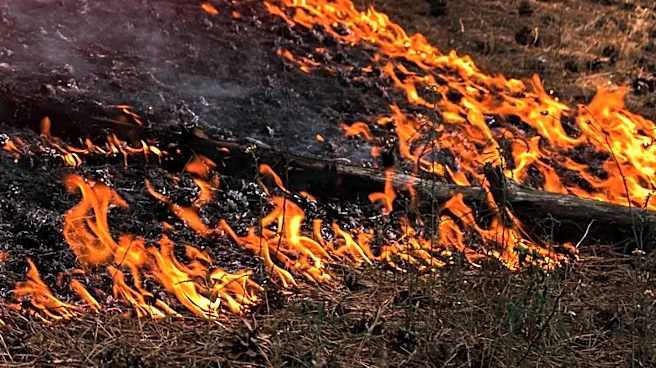
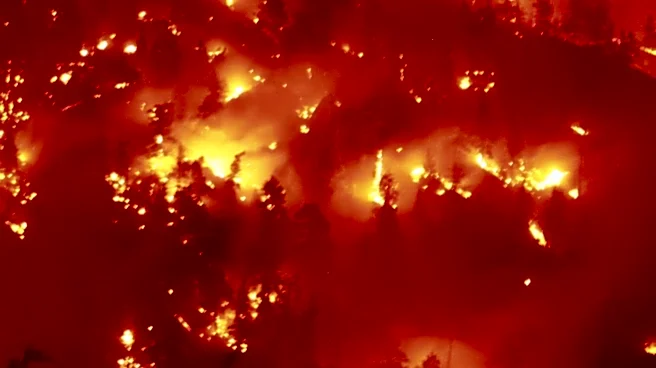
Hawaii is grappling with the aftermath of two significant natural disasters that have severely impacted its tourism-dependent economy. In August 2023, wildfires, sparked by downed power lines, devastated the town of Lahaina on Maui, marking the deadliest
wildfire in modern U.S. history. More recently, in March 2026, a series of Kona low storms caused unprecedented flooding on Oahu, leading to evacuations and significant property damage. These events have disrupted the state's tourism industry, which is crucial to its economy, supporting 211,000 jobs and generating $20.72 billion in visitor spending in 2024. The Hawaii Tourism Authority has launched a $2 million initiative to encourage travel to the islands, aiming to aid economic recovery. Despite these efforts, visitor numbers have declined, with Oahu seeing a 1.7% drop in arrivals in March compared to the previous year.
Why It's Important?
The recovery of Hawaii's tourism sector is vital not only for the state's economy but also for the livelihoods of its residents. Tourism accounts for nearly a quarter of Hawaii's economy, and the decline in visitor numbers has had a ripple effect on local businesses and employment. The wildfires and floods have left many residents displaced and struggling to rebuild their lives. Encouraging mindful tourism can help support local businesses and communities in their recovery efforts. The situation highlights the delicate balance between promoting tourism and respecting the ongoing recovery needs of affected areas. The state's initiative to boost tourism is a critical step towards economic stabilization, but it also underscores the need for sustainable and respectful tourism practices.
What's Next?
Hawaii is focusing on rebuilding and recovery efforts, with plans to restore significant cultural and historical sites, such as Lahaina's Royal Complex. The state is also working on infrastructure improvements, including road repairs on Oahu's North Shore. The tourism sector is expected to gradually recover, with initiatives like the North Shore Huakai shuttle service aimed at supporting local businesses. However, the full recovery of the tourism industry will depend on the successful implementation of these initiatives and the willingness of travelers to return. Community engagement and support will be crucial in shaping the future of Hawaii's tourism landscape.
Beyond the Headlines
The disasters in Hawaii have brought attention to the broader implications of climate change and the need for resilient infrastructure and disaster preparedness. The events have also highlighted the importance of community solidarity and the role of local businesses in economic recovery. As Hawaii rebuilds, there is an opportunity to promote sustainable tourism practices that respect the environment and local culture. The state's response to these challenges could serve as a model for other regions facing similar issues, emphasizing the need for a balanced approach to tourism and community well-being.