



What's Happening?
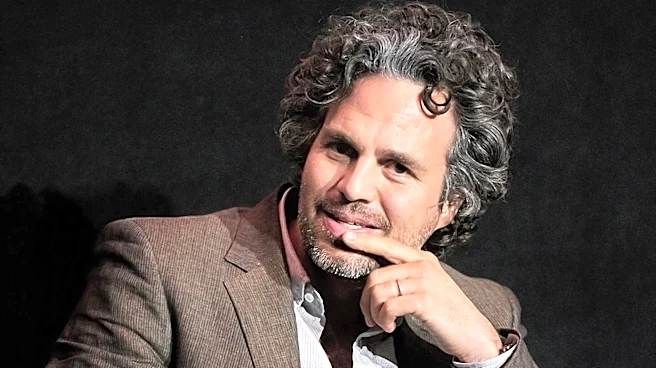
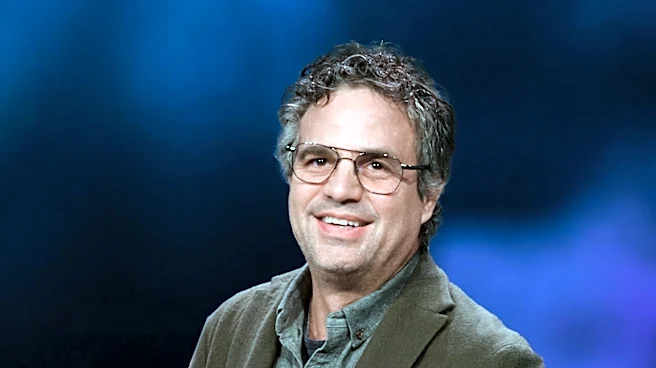
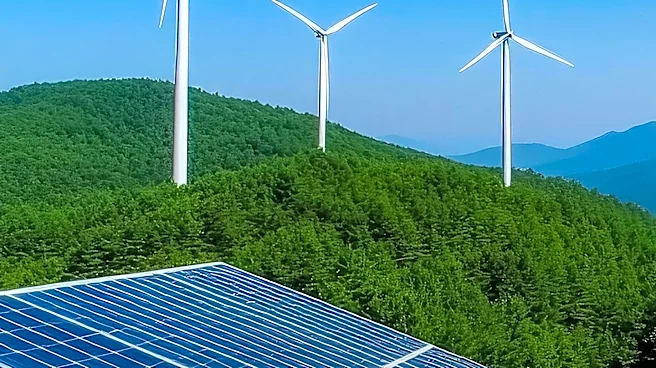
Actor Mark Ruffalo has converted a 20-hectare former dairy farm in Callicoon, New York, into a sustainable agricultural refuge. This property, now his family's permanent residence, features a family garden, crops, solar panels, and fields for hay production.
The transformation of the farm includes the installation of solar panels and the adoption of organic farming methods, reflecting Ruffalo's advocacy for renewable energy and his opposition to fossil fuel exploitation. His environmental activism extends beyond his farm; he co-founded The Solutions Project in 2013 to support community initiatives for renewable energy systems. Ruffalo's public activities include campaigns, meetings with legislators, and awareness actions regarding the energy industry's impact on water and community health. His efforts were instrumental in New York State's 2014 ban on water fracking, a technique that uses water, sand, and chemical compounds under pressure to extract gas from rock formations. He continues to oppose new methods of gas extraction, such as using compressed carbon dioxide, which he deems 'experimental and dangerous.'
Why It's Important?
Mark Ruffalo's initiative highlights a growing trend among public figures to actively engage in environmental causes, using their platforms to promote sustainable living and policy change. His personal investment in a sustainable farm in Callicoon, New York, serves as a tangible example of clean energy and organic farming practices, offering a model for reduced reliance on large cities and local resource care. His activism has had a direct impact on U.S. public policy, notably contributing to New York's ban on water fracking. This demonstrates the power of celebrity advocacy in influencing environmental legislation and raising public awareness about critical issues like water protection and the dangers of fossil fuel extraction. The ongoing debate over new gas extraction methods, such as compressed carbon dioxide, underscores the persistent challenges in transitioning to cleaner energy and the need for continued vigilance against potential environmental hazards. Ruffalo's stance, while supported by environmentalists, also faces criticism from some rural residents who fear economic opportunities might be limited by such prohibitions, illustrating the complex socio-economic dimensions of environmental policy.
What's Next?
The debate surrounding gas extraction methods in New York, particularly the proposed use of compressed carbon dioxide, is expected to continue. Ruffalo and other activists will likely maintain their efforts to prevent the implementation of what they consider 'experimental and dangerous' techniques. This ongoing advocacy could lead to further legislative actions or public referendums on energy policies within the state. The success of Ruffalo's sustainable farm may inspire other individuals and communities to adopt similar practices, potentially fostering a broader movement towards self-sufficiency and renewable energy. His organization, The Solutions Project, will likely continue to fund and support community-based renewable energy initiatives, expanding their reach and impact. The tension between environmental protection and economic development in rural areas, as highlighted by differing opinions on gas extraction, will remain a critical point of discussion for local and state governments, requiring careful consideration of both ecological and economic factors in future policy decisions.
Beyond the Headlines
Ruffalo's commitment to environmental activism, rooted in his family's life on the Callicoon farm, reflects a deeper ethical stance on protecting future generations and advocating for alternatives to fossil fuels. His decision to live a simpler life, engaging in farm maintenance and learning about agriculture, underscores a cultural shift towards valuing sustainability and local resources. The controversy surrounding his activism, particularly the differing views within the rural community regarding economic opportunities versus environmental protection, reveals the complex ethical dilemmas inherent in environmental policy-making. It highlights the challenge of balancing immediate economic needs with long-term ecological sustainability. Furthermore, Ruffalo's involvement in the fight against fracking and for clean water access touches upon fundamental human rights issues, emphasizing the importance of safe and accessible natural resources for all communities. His public role as an environmental advocate also raises questions about the responsibility of public figures to use their influence for social and environmental good, and the impact of such advocacy on public discourse and policy.