
What's Happening?
Sixty-eight hospitals across Pennsylvania have initiated the 'Good Food, Healthy Hospitals' program, an effort administered by The Hospital and Healthsystem Association of Pennsylvania (HAP). This initiative
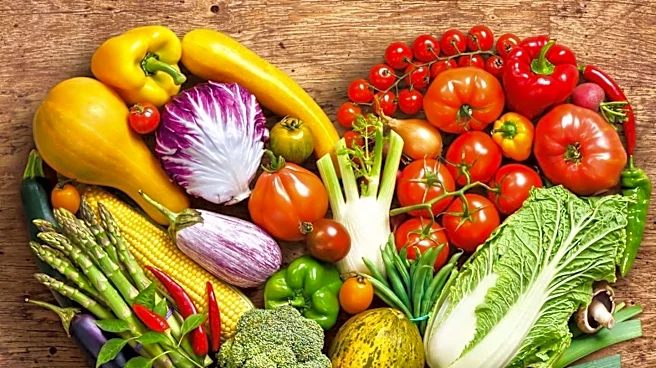
aims to enhance community health by providing nutritious, balanced, and locally sourced meals to patients, visitors, staff, and other community members. The program is funded by the Pennsylvania Department of Health, in collaboration with the Philadelphia Department of Public Health, through a grant from the Centers for Disease Control and Prevention. Participating hospitals are committed to adopting new food, beverage, and procurement standards for all food services, including patient meals, cafeterias, catering, and vending. Key strategies involve purchasing, positioning, pricing, and promoting healthier food choices. Hospitals are also focusing on addressing nutrition security and equity through community collaborations, integrating locally grown produce into their food operations, expanding fresh and healthy food options, and reducing high-fat, high-sodium, and high-sugar foods and beverages. The initiative also emphasizes increasing plant-based and whole-grain offerings.
Why It's Important?
This initiative is significant as it positions hospitals as leaders in promoting public health beyond direct medical care. By setting high standards for nutrition and food sourcing, these hospitals serve as models for other community institutions and employers, potentially fostering a broader shift towards healthier eating habits across Pennsylvania. The focus on locally grown produce also supports local agricultural economies, creating a positive economic impact for farmers and food producers within the state. Addressing nutrition security and equity through community-based collaborations can help mitigate health disparities often linked to food access and quality in low-income areas. The program's emphasis on reducing unhealthy food options and increasing plant-based choices aligns with broader public health goals to combat diet-related diseases such as obesity, diabetes, and heart disease, which place a significant burden on the healthcare system and individual well-being.
What's Next?
The 'Good Food, Healthy Hospitals' initiative is expected to continue its implementation across the participating Pennsylvania hospitals. The program's 2025 report will provide further details on its progress and highlight the efforts of the hospitals involved. Future steps will likely include ongoing monitoring of the adopted food standards, evaluation of their impact on patient and community health, and potential expansion to more healthcare facilities within the state. The success of this program could also inspire similar initiatives in other states, as healthcare systems increasingly recognize their role in addressing social determinants of health. Continued collaboration with local farmers and community organizations will be crucial for sustaining the program's emphasis on local sourcing and nutrition equity. The initiative may also explore further innovative solutions to enhance food access and education within the communities served by these hospitals.
Beyond the Headlines
Beyond the immediate health benefits, this initiative reflects a growing trend in healthcare to adopt a more holistic approach to well-being, recognizing that health extends beyond clinical treatment. It highlights the ethical responsibility of institutions, particularly hospitals, to promote health through all their operations, including food services. The program also touches upon environmental sustainability by encouraging the use of locally sourced produce, which can reduce the carbon footprint associated with food transportation. Furthermore, it underscores the potential for public-private partnerships—between state health departments, local health authorities, and hospital associations—to drive significant public health improvements. This model could influence policy discussions around food procurement in public institutions, potentially leading to broader mandates for healthier and more sustainable food systems in schools, government facilities, and other large organizations.