






What's Happening?
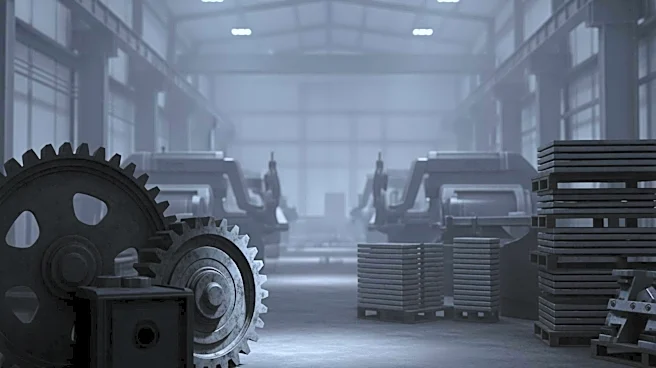
Russia's economy is experiencing significant stagnation in its civilian sectors due to the massive state expenditure required to sustain the invasion of Ukraine. The Associated Press reports that the initial surge in economic growth from wartime manufacturing
has exhausted itself, revealing severe structural imbalances. The Kremlin has increased taxes and expanded internal borrowing to manage a ballooning federal budget deficit, which has suffocated civilian enterprises. Nigel Gould-Davies from the International Institute for Strategic Studies highlights that the war has driven up costs of capital, labor, and commodities, funneling resources into the military-industrial complex while civilian sectors suffer. Despite windfall energy revenues from high global crude prices, Russia's macroeconomic issues persist. Defense spending is expected to exceed the budget by 2 trillion rubles, contributing to a fiscal crisis with a projected deficit of 5.9 trillion rubles for 2026.
Why It's Important?
The economic strain on Russia due to its military prioritization has significant implications for its domestic and international standing. The focus on military spending at the expense of civilian sectors could lead to long-term economic instability and social unrest. The fiscal crisis and liquidity issues within the Russian banking sector indicate systemic decay, which could affect global markets and energy prices. Additionally, the internal economic decay impacts public morale, with President Putin attempting to bolster domestic ratings through increased military actions. The situation highlights the challenges faced by countries engaged in prolonged military conflicts and the potential consequences for their economies and societies.
What's Next?
Russia may continue to prioritize military spending, potentially leading to further economic deterioration and social challenges. The Kremlin's attempts to alter the domestic narrative through military actions could face resistance from a war-weary population. Internationally, Russia's economic instability may affect its ability to engage in global trade and diplomacy. The ongoing conflict with Ukraine and the associated economic pressures could lead to increased international sanctions and diplomatic isolation. The situation requires careful monitoring as it could have broader implications for regional stability and global economic trends.
Beyond the Headlines
The economic challenges faced by Russia due to its military actions raise ethical and strategic questions about the prioritization of military spending over civilian welfare. The dismantling of post-Soviet market freedoms and the mobilization of resources for war efforts could lead to long-term societal changes and affect Russia's global image. The situation also underscores the importance of international cooperation and diplomacy in addressing conflicts and their economic consequences. The potential for systemic bankruptcy in Russia highlights the risks associated with prolonged military engagements and the need for sustainable economic policies.