



What's Happening?
Despite the ongoing Colorado River crisis and a federal drought plan, experts indicate that Wyoming's plans to build a new dam and reservoir in Carbon County will not be halted. According to two Western water experts, the Bureau of Reclamation's plan for
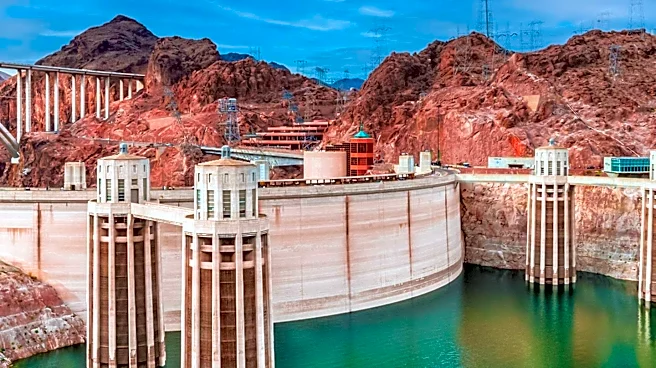
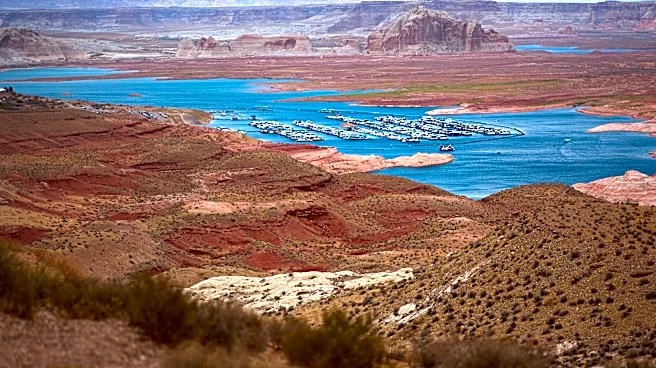
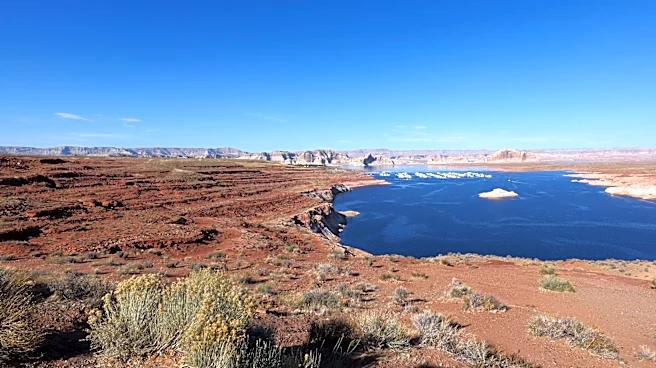
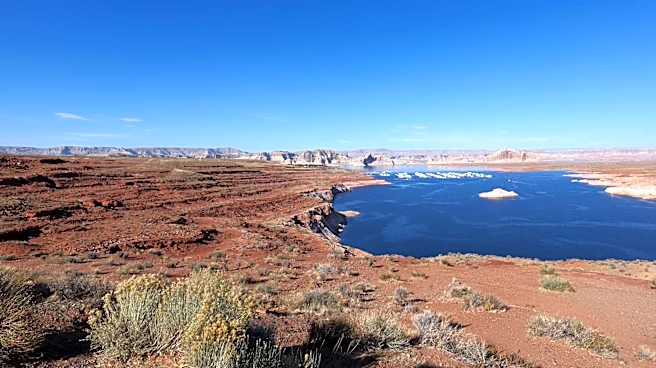
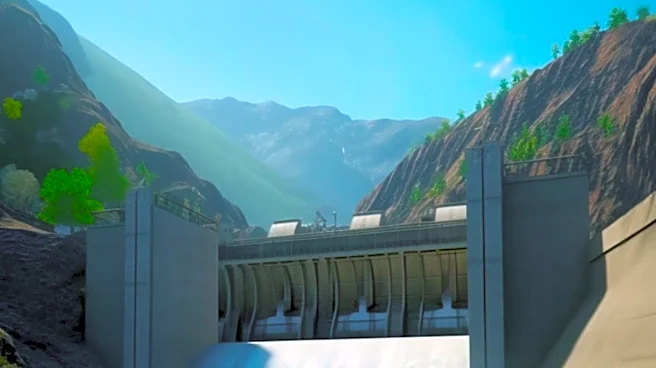
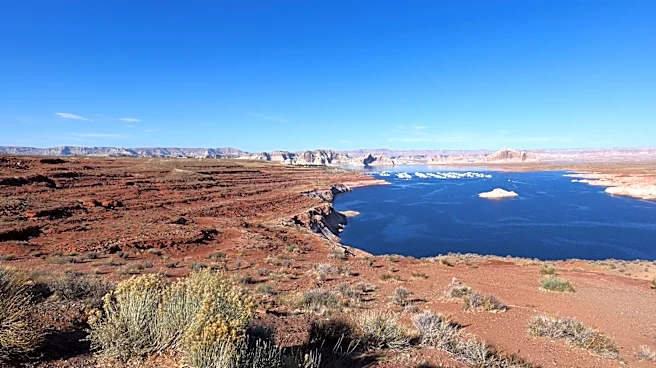
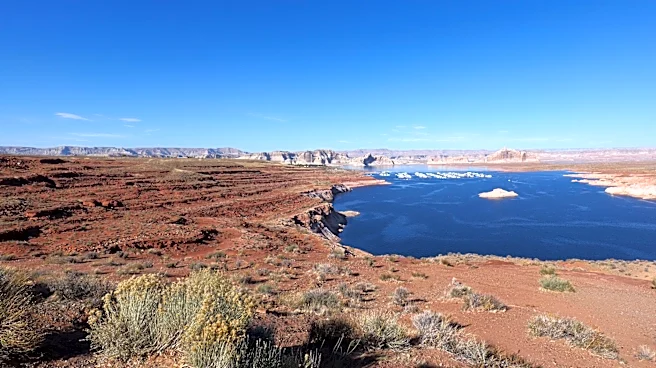
the Colorado River basin primarily focuses on maintaining water levels in Lake Powell and Lake Mead to ensure electricity generation and prevent infrastructure degradation. Sarah Porter, director of the Kyl Center for Water Policy at Arizona State University, noted that the federal government has limited authority over water use in headwater states like Wyoming. This means Wyoming can proceed with its plans for the 10,000-acre-foot West Fork dam and reservoir, which aims to provide 6,000 acre-feet of water annually for late-season irrigation on ranches.
Why It's Important?
This development is crucial for Wyoming's agricultural sector and water management strategies, as it allows the state to move forward with projects designed to secure water resources for irrigation. The experts' assessment highlights a significant disparity in water governance, where headwater states retain considerable autonomy over their water use, even as downstream states face severe cutbacks. This situation could exacerbate tensions between upper and lower basin states, particularly as the drought continues to impact water availability. For Wyoming, the ability to build new infrastructure like the West Fork dam ensures continued support for its ranching communities and agricultural economy, potentially at the expense of water availability further downstream.
What's Next?
Wyoming is expected to continue with its plans for the West Fork dam and reservoir in Carbon County. While the Bureau of Reclamation's plan aims to manage water storage and releases in the lower basin, it does not impose restrictions on upper basin states' water use. However, experts predict increased legal conflict, with lower basin states potentially challenging the administrative process and even initiating a 'compact call' in the Supreme Court, demanding water they believe the upper basin is obligated to deliver. This legal battle could span decades. Meanwhile, conservation efforts in Wyoming will remain voluntary, and the state will continue to utilize its allocated water rights under the Colorado River Compact.
Beyond the Headlines
The situation reveals a deeper, long-standing conflict over water rights and allocation within the Colorado River Basin, rooted in the 1922 Colorado River Compact. The independence of headwater states like Wyoming in developing new water infrastructure, even amidst a severe drought, underscores the complex legal and political challenges in managing a shared resource across multiple states. This could lead to significant environmental and economic consequences for the lower basin states, particularly in their agricultural sectors, potentially impacting national food supplies. The predicted legal battles highlight the inadequacy of current agreements to address the realities of climate change and reduced water flows, suggesting a need for a more comprehensive and equitable water management framework for the entire basin.