





What's Happening?
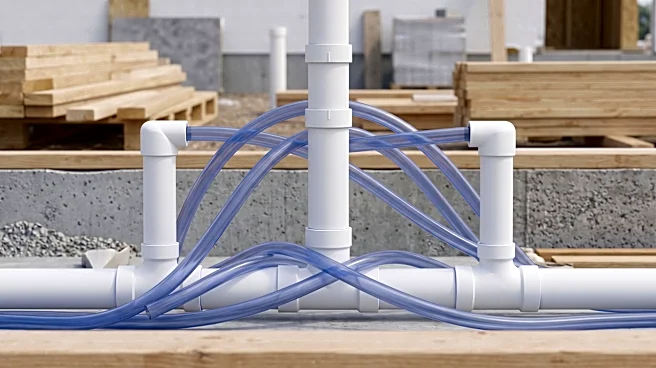
The Omaha City Council has passed several amendments to its plumbing code, aiming to stimulate housing projects and increase affordability within the city. These changes, approved on Tuesday, include relaxing restrictions on the use of PVC pipe, which
was previously heavily limited to single-family homes, restaurants, and multi-family dwellings under four stories. Neighboring communities typically have less stringent requirements for PVC usage. Additionally, the new codes will permit PEX, a durable pipe material, as an alternative to copper for water service lines. The council also addressed a labor shortage in the plumbing sector by proposing to adjust the apprentice-to-plumber ratio from one-to-one to one-to-two, aligning it more closely with electrician apprenticeship ratios. These modifications are intended to reduce construction costs for both large-scale developments and residential properties, making building in Omaha more competitive compared to nearby areas like Gretna. The changes are slated to take effect in 2028.
Why It's Important?
These plumbing code revisions are significant for Omaha's housing market and economic development. By allowing more cost-effective materials like PVC and PEX, the city aims to lower construction expenses, which could translate into more affordable housing options for residents. This move is particularly crucial in addressing the ongoing demand for accessible housing. The changes also seek to alleviate the plumber labor shortage by adjusting apprenticeship ratios, potentially increasing the workforce and streamlining project timelines. This could attract more developers to Omaha, fostering growth in the construction industry and creating jobs. The comparison to Gretna highlights Omaha's previous competitive disadvantage in construction costs, and these changes are designed to level the playing field, making the city a more attractive location for new developments. Ultimately, the initiative could lead to a more robust and accessible housing market, benefiting a wide range of economic stakeholders from developers to prospective homeowners.
What's Next?
The newly approved plumbing code changes are scheduled to be implemented in 2028. In the interim, stakeholders, including plumbers, contractors, and developers, will likely prepare for the transition. The city may conduct outreach or provide educational resources to ensure a smooth adoption of the new regulations. It is anticipated that the construction industry will begin to factor these upcoming cost savings into their project planning, potentially leading to an increase in proposed housing developments as the effective date approaches. The impact on the local labor market for plumbers will also be closely watched, as the adjusted apprenticeship ratio aims to bring more skilled workers into the field. The success of these changes in stimulating affordable housing and addressing labor shortages will be evaluated in the years following their implementation, potentially influencing future policy decisions related to construction and development in Omaha.
Beyond the Headlines
Beyond the immediate economic benefits, these plumbing code changes reflect a broader trend in urban planning to balance safety regulations with affordability and economic growth. The debate surrounding material choices like PVC versus cast iron often involves considerations of long-term durability, environmental impact, and public health, alongside cost. The decision to allow more flexible material use suggests a re-evaluation of these factors, potentially indicating a shift towards more pragmatic and cost-conscious regulatory approaches in municipal governance. Furthermore, addressing the labor shortage through apprenticeship ratio adjustments highlights the critical role of skilled trades in urban development and the need for policies that support workforce growth. This move could set a precedent for other cities facing similar challenges, encouraging them to review their own building codes and labor policies to foster more dynamic and affordable housing markets.