



What's Happening?
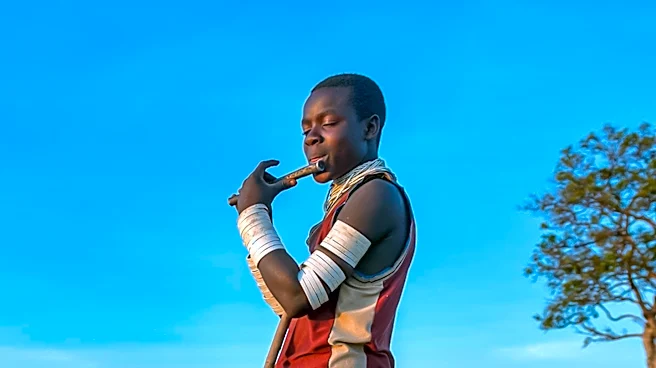
Miami Central High School students recently participated in a cultural immersion program in Zimbabwe, organized by the Blindfolded International Student & Cultural Exchange Program (BISCEP). This initiative, fully funded by grassroots efforts, allowed
ten students to travel abroad and engage with local students from Westminster International School. The program aimed to provide Black and Brown students with cultural exchange opportunities typically unavailable in public schools. Students participated in various activities, including freestyle rap battles and hiking, which helped them connect with their heritage and gain a new perspective on their history.
Why It's Important?
This cultural exchange program is significant as it addresses the lack of similar opportunities for public school students, particularly those from minority backgrounds. By facilitating such experiences, the program helps students develop a deeper understanding of their cultural roots and fosters a sense of global citizenship. The initiative also highlights the challenges faced by educational programs in securing funding, especially in the context of budget cuts and reduced federal education grants. The success of this program underscores the importance of community support in providing educational opportunities that broaden students' horizons.
What's Next?
The success of this program may inspire similar initiatives aimed at providing cultural exchange opportunities for students from underrepresented communities. The organizers, led by Edwin Sheppard, plan to continue seeking community support and exploring alternative funding sources to sustain and expand the program. The experience gained by the students could lead to increased interest in international studies and cultural awareness, potentially influencing their future educational and career choices.
Beyond the Headlines
The program's impact extends beyond individual experiences, as it challenges stereotypes and misconceptions about Africa. By engaging directly with local communities, students gain a more nuanced understanding of the continent's diversity and potential. This experience can contribute to changing narratives and perceptions about Africa in the U.S., promoting a more balanced and informed view of global cultures.