






What's Happening?
Anthropic, a leading AI developer, has proposed a draft bill to U.S. lawmakers that would restrict the government's ability to block advanced AI models. The proposed legislation would permit government intervention only if an AI model poses an imminent
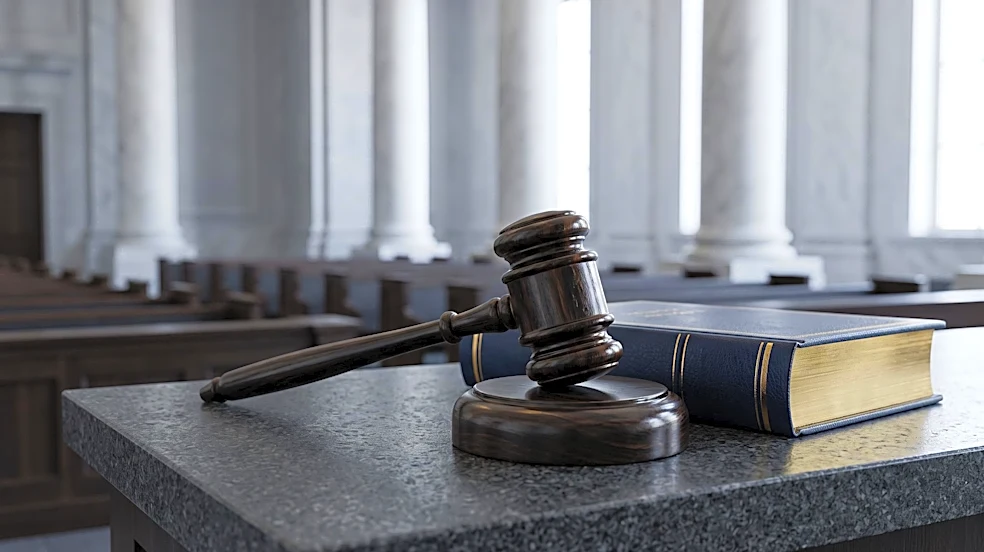
risk of over $1 billion in damages or more than 50 deaths or serious injuries. These risks would specifically need to stem from biological weapons, a model evading its developer's controls, or a cyberattack. The draft bill aligns with Anthropic's Advanced AI Framework and mirrors language found in California's AI laws, such as SB 53. Under this proposal, independent evaluators registered with the Commerce Department would assess frontier AI models, with findings of imminent risks reported within 72 hours. Any suspension of a model would require a request from the Commerce Department and approval from a federal judge for the U.S. District Court for the District of Columbia, thereby barring other agencies from independently halting development or use.
Why It's Important?
This draft bill is significant as it seeks to establish a clear, federally defined framework for regulating advanced AI, potentially overriding existing or future state-level AI laws concerning risk disclosure, external evaluation, and incident reporting. The proposal reflects a growing debate within the AI industry and government about how to balance innovation with safety, especially given concerns raised by researchers like Anthropic's Evan Hubinger regarding the potential for AI to pose catastrophic risks. By centralizing the authority to suspend AI models with a federal judge and the Commerce Department, the bill aims to create a more consistent and perhaps less fragmented regulatory environment. However, it also raises questions about the extent of federal preemption and the role of states in AI governance, an area where Democrats have reportedly shown resistance to such proposals. The initiative follows previous export controls that impacted Anthropic's own advanced models, suggesting a desire by the company to shape future regulatory landscapes to prevent similar disruptions.
What's Next?
The draft bill from Anthropic is currently a proposal, and its future will depend on negotiations and discussions within Congress. Other AI safety proposals are also under consideration, including the House FRONTIER Act, co-led by Representatives Lori Trahan and Jay Obernolte, which would allow the government to stop the deployment of risky models. In the Senate, Majority Leader John Thune, Senator Amy Klobuchar, and Senator Ted Cruz are working on a bill to mitigate catastrophic AI risks. The interplay between these various legislative efforts will determine the ultimate shape of AI regulation in the U.S. The debate over federal preemption of state AI laws is likely to be a contentious point, with potential pushback from Democrats. The tech industry, including other AI developers, will closely watch these developments, as the outcome could significantly impact their operational freedom and regulatory compliance requirements.
Beyond the Headlines
The push by Anthropic for a federal AI regulation framework highlights a deeper tension between rapid technological advancement and the imperative for public safety and ethical governance. By proposing specific thresholds for intervention (e.g., $1 billion in damages or 50 deaths), the bill attempts to quantify and operationalize the concept of 'imminent risk' in AI, a complex and often abstract challenge. This approach could set a precedent for how future emerging technologies are regulated, moving towards a risk-based framework that seeks to prevent catastrophic outcomes while fostering innovation. However, the debate also touches upon the broader philosophical question of who should ultimately control powerful AI systems—private developers, government agencies, or an independent body. The emphasis on independent evaluators and judicial oversight suggests an attempt to build trust and accountability into the regulatory process, but the effectiveness of such mechanisms will depend on their implementation and the evolving capabilities of AI itself. The discussion also underscores the growing influence of AI companies in shaping the very regulations that will govern their industry.