
What's Happening?
In a recent diplomatic exchange, Russia released French political scholar Laurent Vinatier in a prisoner swap with France. Vinatier, who was serving a three-year sentence in Russia on charges of espionage,
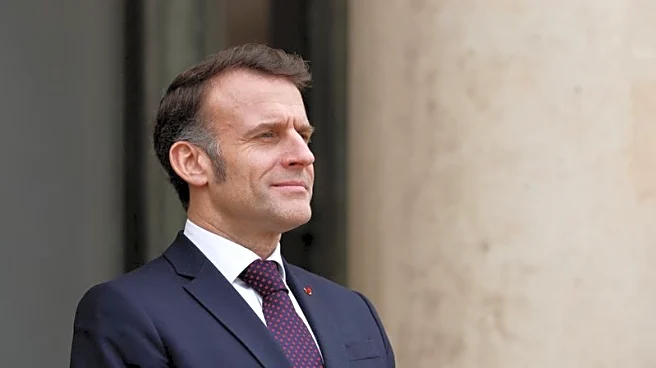
was exchanged for Russian basketball player Daniil Kasatkin, who was detained in France at the request of the United States for alleged involvement in computer fraud. French President Emmanuel Macron expressed relief at Vinatier's release, while Russian President Vladimir Putin pardoned Vinatier as part of the swap. The exchange highlights ongoing diplomatic negotiations and the complexities of international prisoner swaps.
Why It's Important?
This prisoner swap between Russia and France underscores the intricate nature of international diplomacy and the strategic use of prisoner exchanges to resolve geopolitical tensions. Such exchanges can serve as diplomatic tools to improve bilateral relations or address specific grievances between nations. The release of Vinatier and Kasatkin may also reflect broader geopolitical dynamics, including Russia's relations with Western countries and the ongoing scrutiny of espionage and cybercrime activities. These exchanges can have significant implications for international relations and the treatment of foreign nationals detained abroad.
What's Next?
The successful exchange may pave the way for future diplomatic negotiations between Russia and Western nations, potentially leading to more prisoner swaps or discussions on other contentious issues. Both countries may use this event to strengthen diplomatic ties or address other bilateral concerns. Additionally, the case may prompt further examination of the legal frameworks governing espionage and cybercrime, as well as the rights of foreign nationals detained on such charges.