


What's Happening?
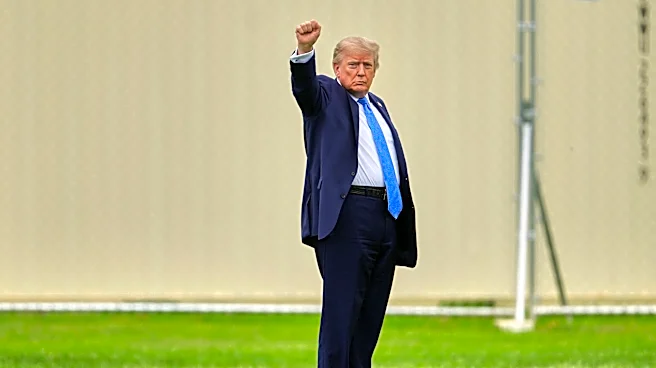
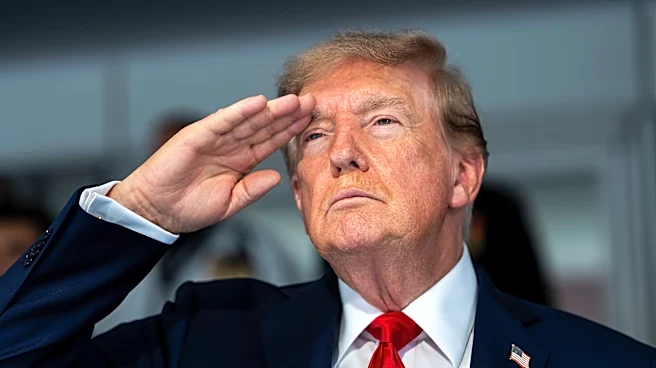
President Trump is scheduled for a two-day visit to Houston, Texas, combining political engagements with a ceremony honoring astronauts. On Thursday, he will participate in an RNC engagement, which is closed to the press and whose exact location has not
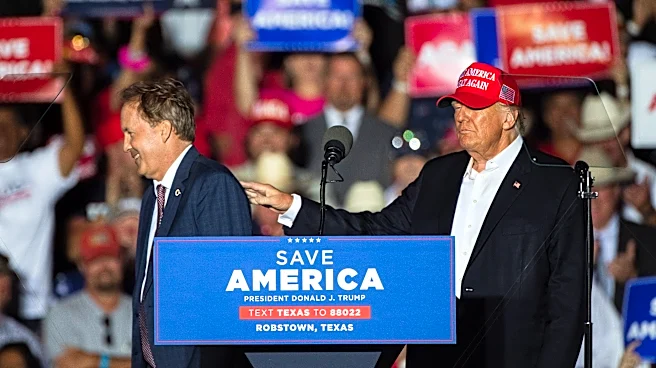
been publicly disclosed. This event is reportedly a Republican National Committee fundraiser, with ticket prices ranging from $10,000 to nearly $500,000, aimed at raising significant contributions for Republicans ahead of the November midterm elections. On Friday, President Trump will shift focus to space exploration, visiting NASA's Johnson Space Center to present the Congressional Space Medal of Honor to the four members of the Artemis II crew: NASA astronauts Reid Wiseman, Victor Glover, and Christina Koch, along with Canadian Space Agency astronaut Jeremy Hansen. These astronauts completed a historic 10-day trip around the Moon in April, marking the first crewed flight of NASA's Orion spacecraft and the first humans to travel beyond the Moon in over 50 years.
Why It's Important?
President Trump's visit to Houston underscores the dual nature of presidential duties, blending political campaigning with ceremonial recognition of national achievements. The RNC fundraiser highlights the critical importance of financial contributions in U.S. midterm elections, as both parties vie for control of Congress. The substantial ticket prices indicate the high stakes and the efforts to mobilize significant resources for Republican candidates, particularly in key races like the Texas Senate contest. The subsequent ceremony at NASA's Johnson Space Center serves to elevate national pride in space exploration and scientific achievement. Honoring the Artemis II crew not only recognizes their historic contributions but also aligns the administration with a forward-looking vision of American leadership in space. This blend of political fundraising and national recognition allows the President to engage with both his political base and the broader public, leveraging the prestige of the presidency to support party objectives while also celebrating national accomplishments.
What's Next?
The RNC engagement is expected to generate substantial funds for Republican campaigns, which will be deployed in the lead-up to the November midterm elections. This financial boost could significantly impact competitive races, including the Texas Senate contest. Following the fundraiser, the ceremony at NASA will provide a platform for President Trump to highlight American innovation and leadership in space, potentially garnering bipartisan support for space programs. The recognition of the Artemis II crew will likely increase public awareness and enthusiasm for NASA's Artemis program, which aims to return astronauts to the lunar surface. This event could also serve to reinforce the administration's commitment to scientific and technological advancement. The visit's dual focus on politics and national achievement is a strategic move to maximize the President's impact in a key state, influencing both the political landscape and public perception of national priorities.
Beyond the Headlines
President Trump's Houston visit, combining a high-dollar political fundraiser with a prestigious national honor, reflects a broader trend in modern presidential engagements where political and ceremonial roles are often intertwined. This approach allows for the efficient use of presidential time and resources, simultaneously advancing party interests and reinforcing national identity. The choice of Houston, a major economic and scientific hub, for both events is strategic, tapping into a diverse base of support. The fundraiser's high ticket prices also highlight the increasing role of wealthy donors in political campaigns, raising questions about access and influence in the political process. Conversely, the celebration of the Artemis II mission underscores the enduring power of shared national goals, such as space exploration, to unite a diverse populace. This duality reveals the complex interplay between partisan politics and national aspirations, where a president must navigate both to maintain power and inspire the nation. The long-term implication could be a continued blending of political and national events, making it harder to distinguish between partisan activities and official presidential duties.