

What's Happening?
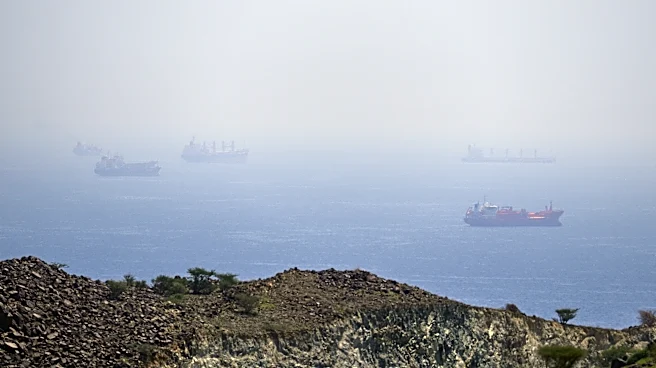
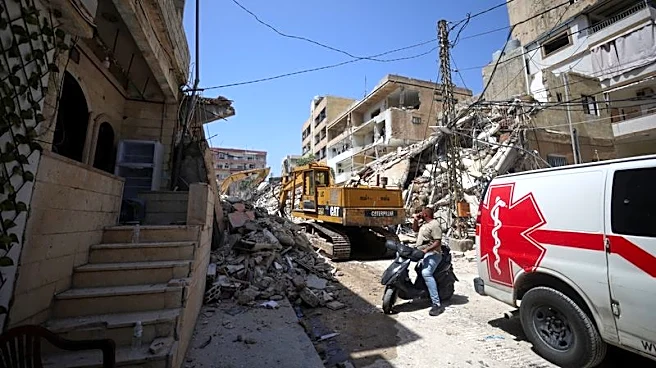
The recent U.S.-Israeli airstrikes on Iran have led to the closure of the Strait of Hormuz, a critical maritime chokepoint for global oil and gas transit. This closure has significantly reduced the daily flow of energy resources, impacting global markets
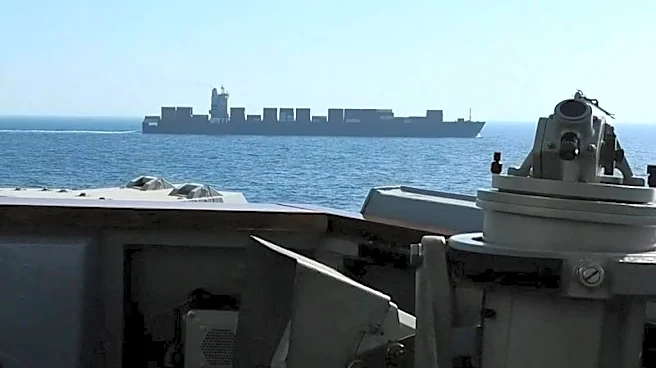
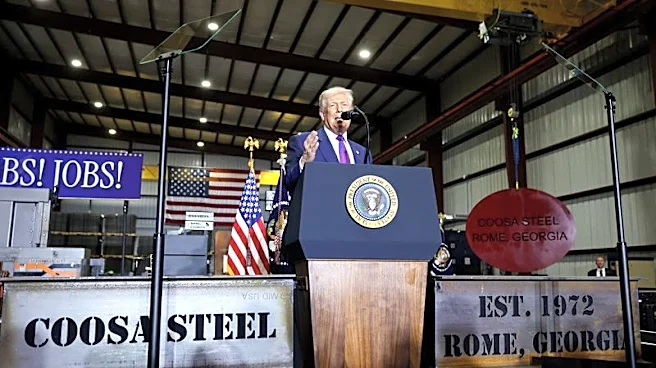
and causing price shocks felt by American consumers. President Trump, who did not anticipate Iran's response, is now seeking to organize a coalition to ensure the strait remains open. The United States, United Kingdom, and Ukraine are identified as key players in this effort, with the UK providing specialized mine countermeasure capabilities and Ukraine offering experience from the Black Sea. The plan involves leveraging existing multinational frameworks and seeking broader coalition contributions, including from NATO and Baltic states, to secure the waterway.
Why It's Important?
The Strait of Hormuz is a vital artery for the global energy supply, and its closure has immediate economic repercussions worldwide, including in the U.S. The situation underscores the strategic importance of maintaining open maritime routes for international trade and energy security. The U.S. leadership in forming a coalition to reopen the strait is crucial for stabilizing global markets and demonstrating American commitment to international security. The involvement of European allies and other nations highlights the need for coordinated international efforts to address regional conflicts and their global impacts.
What's Next?
With a ceasefire currently in place, there is a narrow window for diplomatic and military efforts to reopen the Strait of Hormuz. The U.S. must rebuild trust with European allies through early consultation and shared planning to ensure a coordinated response. The success of this coalition will depend on political will, flexibility, and clear American leadership. The outcome will have significant implications for global energy markets and international relations, particularly in terms of U.S.-European cooperation and the broader geopolitical landscape in the Gulf region.