

What's Happening?
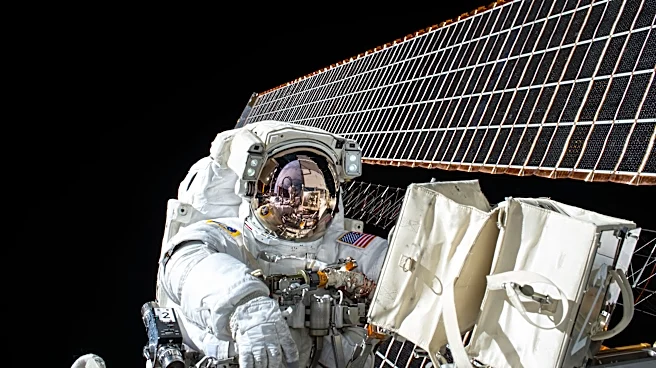
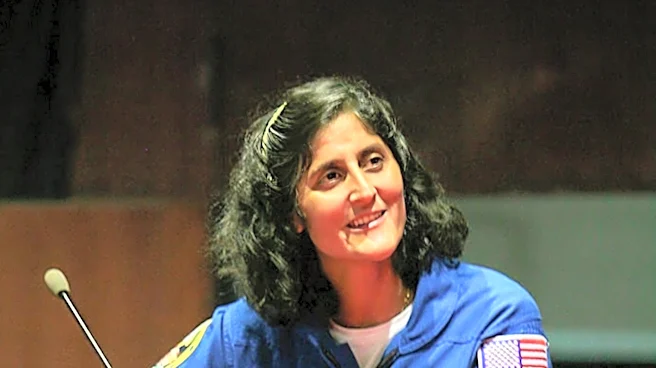
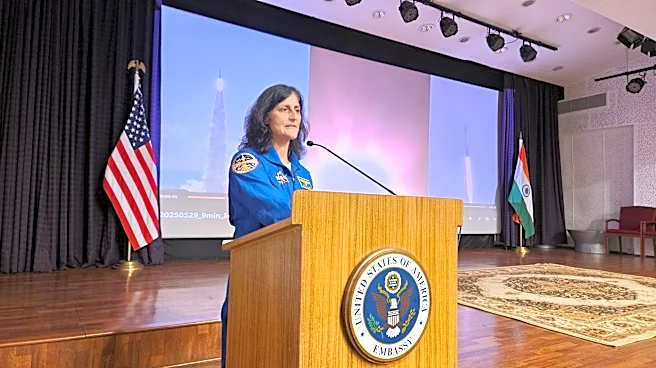
NASA astronauts Jessica Watkins and Luke Delaney will answer STEM questions from Florida students while aboard the International Space Station (ISS). This Earth-to-space call is scheduled for Tuesday, November 10, at 10:40 a.m. EST and will be streamed
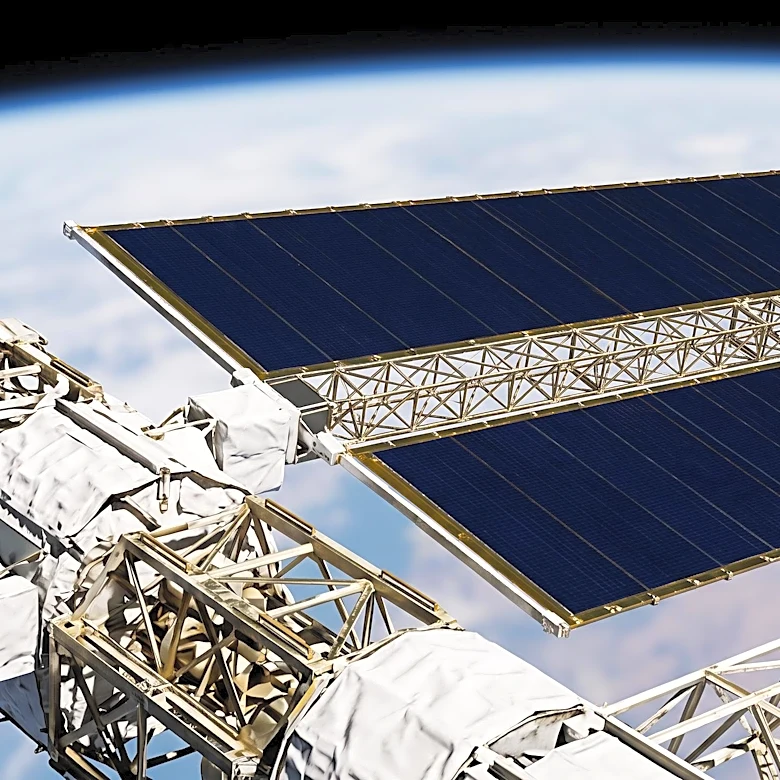
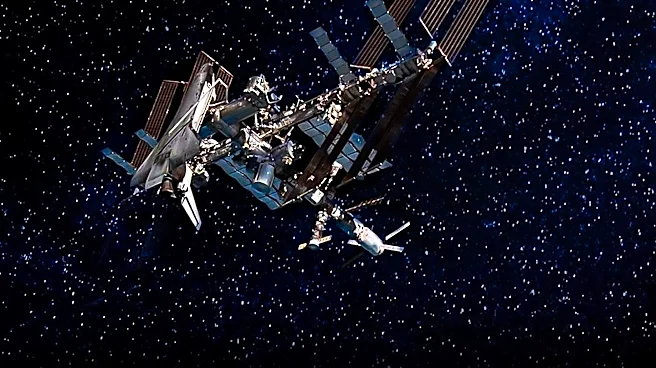
live on NASA’s Learn With NASA YouTube channel. The event is hosted by Freedom Crossing Academy in St. Johns, Florida, and is open to K-12 students and the wider community. The initiative aims to foster a deeper understanding of space exploration and raise awareness about careers in STEM fields. For over 26 years, the ISS has continuously hosted humans, facilitating scientific advancements and research that are not feasible on Earth. The space station plays a crucial role in helping NASA comprehend and overcome the complexities of human spaceflight, broaden commercial prospects in low Earth orbit, and establish a foundation for extended missions to the Moon under the Artemis program, and eventually to Mars.
Why It's Important?
This educational outreach event is significant for several reasons. Firstly, it directly connects students with active astronauts, providing a tangible and inspiring link to space exploration and scientific endeavors. Such interactions can significantly influence young minds, potentially steering them towards STEM careers, which are vital for future innovation and economic growth in the U.S. Secondly, it highlights NASA's commitment to public engagement and education, reinforcing the value of space programs beyond scientific discovery. By making space exploration accessible and relatable, NASA can garner broader public support and interest in its missions. Furthermore, the event underscores the ongoing utility and importance of the International Space Station as a platform for both scientific research and educational initiatives, demonstrating its multifaceted contributions to society and future generations.
What's Next?
Following the live stream on November 10, the recorded session will likely remain available on NASA’s Learn With NASA YouTube channel, allowing broader access for students and educators who could not participate live. This event may inspire similar future engagements between astronauts and educational institutions across the U.S., further integrating space exploration into STEM curricula. NASA will continue to utilize the ISS for scientific research and as a platform for educational outreach, aligning with its goals for the Artemis program and future Mars missions. The agency will also likely monitor the engagement and feedback from this event to refine its educational strategies and maximize its impact on student interest in STEM fields. Media interested in covering the event must RSVP by 5 p.m. EST on Monday, November 9.
Beyond the Headlines
Beyond the immediate educational benefits, this event subtly reinforces the U.S.'s leadership in space exploration and scientific research. By engaging directly with students, NASA is cultivating the next generation of scientists, engineers, and astronauts, ensuring a pipeline of talent crucial for maintaining national competitiveness in space and technology. The continuous human presence on the ISS, highlighted by such events, also serves as a testament to international collaboration in space, even though this specific event is U.S.-focused. It underscores the long-term vision of space agencies to not only explore but also to inspire and educate, fostering a global appreciation for scientific inquiry. The event also subtly promotes critical thinking and problem-solving skills, essential for navigating complex challenges both on Earth and in space.