



What's Happening?
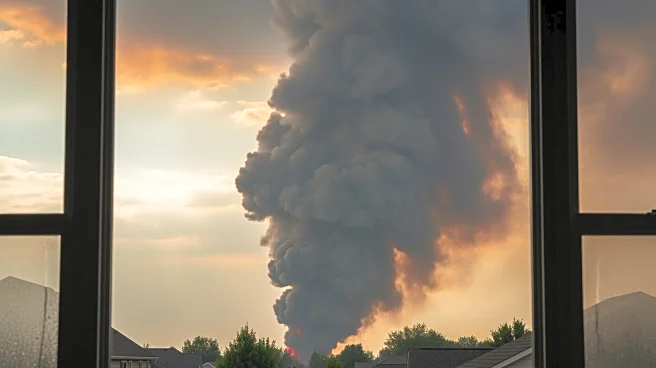
The Environmental Protection Agency (EPA) has issued advisories for residents in parts of Arizona and Georgia to remain indoors due to high levels of air pollution. According to the EPA's AirNow map, areas in Tucson, Arizona, and Valdosta, Georgia, are experiencing
'unhealthy' levels of ozone and fine particle pollution (PM2.5). The EPA recommends that sensitive groups, including children, older adults, and individuals with certain medical conditions, avoid prolonged or intense outdoor activities. The general population is also advised to limit outdoor activities and take frequent breaks. The air quality index (AQI) used by the EPA categorizes air quality from 'good' to 'hazardous,' with the current levels in these areas falling into the 'unhealthy' category.
Why It's Important?
Air pollution poses significant health risks, particularly to sensitive groups such as children, the elderly, and those with respiratory or cardiovascular conditions. Exposure to high levels of ozone and fine particles can lead to symptoms like coughing, shortness of breath, and chest discomfort. It can also increase hospital admissions for respiratory diseases and trigger asthma attacks. The EPA's advisories aim to mitigate these health risks by encouraging people to reduce exposure. This situation highlights the ongoing challenges of air quality management and the need for public awareness and compliance with health advisories to protect vulnerable populations.
What's Next?
The EPA, along with the National Weather Service, will continue to monitor air quality levels and update advisories as necessary. Residents in affected areas are encouraged to stay informed through resources like airnow.gov and local agencies, which provide daily forecasts and health guidance. The situation underscores the importance of ongoing environmental monitoring and the potential need for policy measures to address air pollution sources.