







What's Happening?
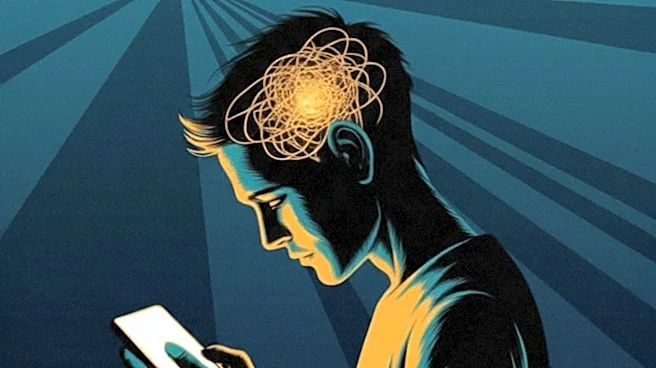
A recent study involving 54 first-year nursing students explored factors influencing mental resilience, finding a moderate negative association between daily internet use hours and resilience levels. The research, which also examined the impact of museum-based
tours and empathy videos, found no significant difference in resilience from these interventions. However, the control group in the study was notably older, potentially confounding direct comparisons of intervention effectiveness. The study identified age and learning abilities as strong positive correlates of resilience. Participants had a mean age of 23.6 years, with 85% being female. Assessments included the Connor-Davidson Resilience Scale (CD-RISC-25), a self-reported learning-abilities scale, and lifestyle factors. The findings suggest that while specific brief interventions may not significantly boost resilience, individual characteristics like age and learning abilities play a crucial role, and excessive internet use may detract from it. The study emphasizes the importance of baseline assessments in intervention research and suggests incorporating digital-wellness components into resilience programs.
Why It's Important?
This study highlights a critical concern for the mental well-being of future healthcare professionals in the U.S., particularly nursing students who face significant academic and clinical pressures. The negative correlation between internet use and mental resilience suggests that increased digital engagement could be a contributing factor to stress and burnout in a demanding field. As nursing shortages persist and the mental health of healthcare workers becomes a national priority, understanding and mitigating factors that reduce resilience is crucial. Educational institutions and healthcare organizations may need to consider implementing digital wellness programs or guidelines to help students and professionals manage their online habits. This could lead to better mental health outcomes, improved job retention, and ultimately, a stronger healthcare workforce capable of handling the inherent stresses of the profession. The findings also underscore the need for tailored resilience programs that consider individual developmental stages and digital habits.
What's Next?
The findings suggest a need for further research into the specific mechanisms through which internet use impacts mental resilience among nursing students and other demanding professions. Educational institutions might explore integrating digital wellness modules into their curricula, focusing on responsible internet use and its potential effects on mental health. Future interventions aimed at boosting resilience could be designed with a stronger emphasis on individual tailoring, taking into account age, learning abilities, and digital habits. There may also be a push for more robust baseline assessments in mental health intervention studies to ensure accurate evaluation of program effectiveness. Policy discussions could emerge regarding screen time recommendations for students in high-stress academic programs, potentially leading to guidelines or resources to promote healthier digital habits and foster greater mental resilience.
Beyond the Headlines
The study's implications extend beyond nursing students, touching upon broader societal trends regarding digital consumption and mental well-being. In an increasingly digital world, the moderate negative association between internet use and resilience could reflect a wider phenomenon affecting various demographics and professions. This raises questions about the long-term psychological impact of pervasive internet and social media engagement on cognitive functions, emotional regulation, and coping mechanisms. Ethically, it prompts a discussion on the responsibility of technology platforms and educational institutions to promote digital literacy and well-being. Legally, it could influence future policies related to screen time, digital addiction, and mental health support in educational and professional settings. Culturally, it highlights a growing tension between the benefits of connectivity and the potential costs to individual psychological fortitude, suggesting a need for a more balanced approach to digital integration in daily life.