








What's Happening?
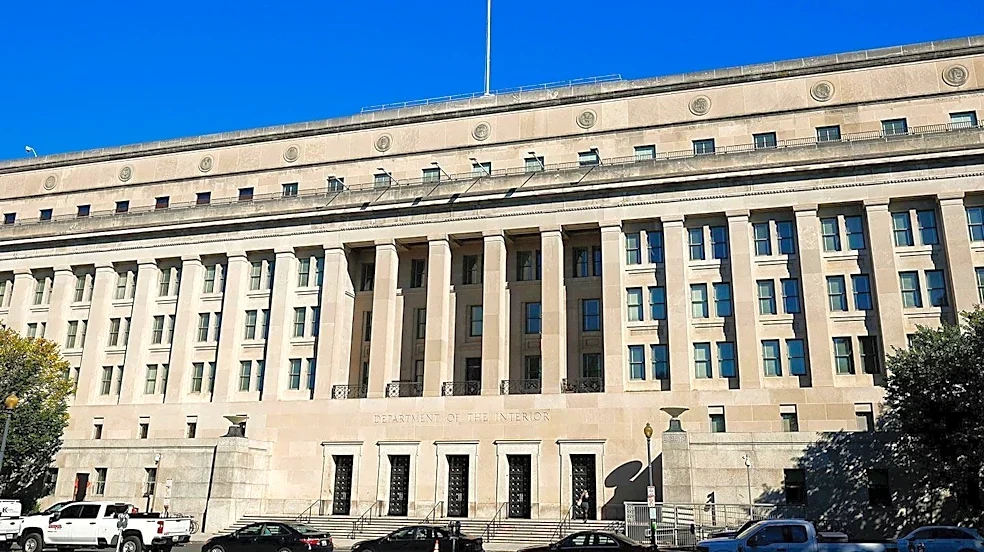
The Department of the Interior (DOI) is actively recruiting for a Budget Analyst to serve within the Office of the Secretary of Interior. This position is located in the Office of the Assistant Secretary, Policy Management & Budget, specifically within the Division
of Budget & Program Review. The primary responsibilities of this division include departmental budget formulation and execution activities. The Budget Analyst will direct department-wide budget formulation, planning, and justification, oversee budget execution and policy implementation, and ensure fiscal compliance. The role also involves advising senior Department leadership on budget strategy and appropriations, leading budget presentations with the Office of Management and Budget (OMB) and Congress, and conducting high-level program, financial, and and policy analyses to support departmental decision-making. The salary for this GS-15 level position ranges from $164,956 to $197,200, with first-time federal hires typically starting at the lowest step. The position is suitable for telework with supervisor approval, and applicants must be U.S. Citizens or Nationals. A background investigation and favorable adjudication are required, and males born after December 31, 1959, must be registered for Selective Service. The application deadline is October 23, 2026.
Why It's Important?
This recruitment is important for maintaining the fiscal integrity and strategic financial planning of the Department of the Interior, an agency critical to managing the nation's natural resources and cultural heritage. The Budget Analyst's role in directing budget formulation and advising senior leadership directly impacts the allocation of funds for various programs, including those related to land management, conservation, and energy development. Effective budget management ensures that the DOI can fulfill its trust responsibilities to American Indians, Alaska Natives, Native Hawaiians, and affiliated Island Communities, as well as its primary responsibility for the conservation and management of fish, wildlife, plants, and their habitats. The position's involvement in interactions with OMB and Congress highlights its significance in securing necessary appropriations and influencing federal policy regarding natural resources. The emphasis on ethical prohibitions for DOI employees, their spouses, and minor children regarding acquiring rights in Federal lands underscores the department's commitment to preventing conflicts of interest and maintaining public trust in its management of vast public resources.
What's Next?
Following the application deadline of October 23, 2026, the Department of the Interior will proceed with evaluating candidates based on their qualifications, resumes, and assessment responses. Successful applicants will undergo a background investigation and favorable adjudication. The selected Budget Analyst will then begin their role, contributing to the department's financial operations and strategic planning. The individual will be instrumental in the ongoing budget cycles, preparing justifications, and advising on appropriations, which will directly influence the funding and implementation of various DOI initiatives. The telework option, subject to supervisor approval, indicates a modern approach to federal employment, potentially attracting a wider pool of qualified candidates. The continuous enforcement of ethics prohibitions will remain a key aspect of employment within the DOI, ensuring transparency and accountability in the management of federal lands and resources.
Beyond the Headlines
The hiring of a Budget Analyst for the Department of the Interior reflects a broader commitment to robust financial oversight and strategic resource management within the federal government. This role is not merely administrative; it is central to the effective implementation of environmental policies, conservation efforts, and the responsible development of natural resources across the United States. The ethical guidelines prohibiting DOI employees and their families from acquiring rights in federal lands highlight the inherent potential for conflicts of interest in an agency that manages vast public domains. This strict ethical stance is crucial for maintaining public trust and ensuring that decisions regarding federal lands are made in the public's best interest, free from personal gain. The position's influence on budget strategy and appropriations also underscores the intricate relationship between fiscal policy and the long-term health and sustainability of America's natural and cultural heritage.