






What's Happening?
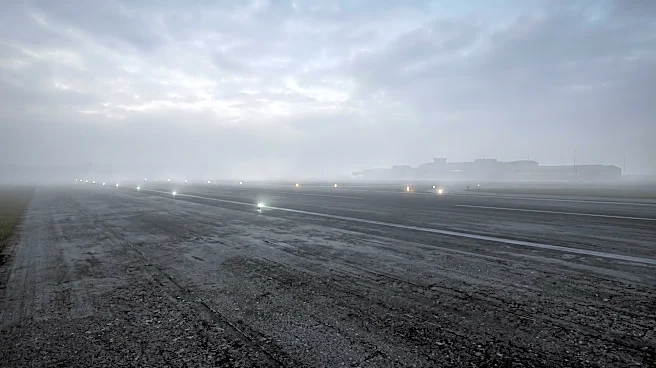
A KLM flight from Norwich Airport to Amsterdam, scheduled for 6:05 AM, was canceled due to a yellow weather warning for fog issued by the Met Office. The fog warning, which covered Norfolk and surrounding areas, was in effect until 11 AM on November 9,
anticipating travel disruption with visibility potentially dropping below 50 meters. This cancellation is the latest in a series of disruptions for this particular service, which has seen more than four flights called off in over a month. Previous cancellations were attributed to 'operational reasons' and 'measures imposed by local government or air traffic control.' Additionally, a KLM KL1055 flight on October 29, also from Amsterdam, was diverted to Stansted Airport due to foggy conditions, further highlighting the impact of weather on regional air travel.
Why It's Important?
Flight cancellations due to weather conditions, such as fog, significantly impact air travel, leading to passenger inconvenience, missed connections, and potential economic losses for both travelers and airlines. For U.S. citizens traveling to or from the UK via connecting flights in Europe, such cancellations can disrupt entire itineraries, causing delays in reaching their final destinations or returning home. Airlines incur costs related to rebooking passengers, providing accommodation, and managing crew schedules. The recurring nature of cancellations for this specific KLM service at Norwich Airport suggests a vulnerability to adverse weather and potentially other operational challenges, which could affect the reliability of regional air links. This situation underscores the broader impact of environmental factors on the aviation industry and the need for robust contingency planning.
What's Next?
Passengers affected by the canceled KLM flight would have been offered rebooking options or refunds. Norwich Airport and KLM will continue to monitor weather conditions and adjust flight schedules accordingly. The Met Office's yellow weather warning indicates that similar disruptions due to fog could occur in the near future, requiring travelers to check for updates from their travel companies. The ongoing disruptions at Norwich Airport, including previous industrial action by air traffic control staff and diversions due to staff sickness, suggest a need for comprehensive strategies to enhance operational resilience. Airlines and airports must work to minimize the impact of both weather-related and operational challenges on passenger travel.
Beyond the Headlines
The repeated disruptions at Norwich Airport, including weather-related cancellations and previous industrial action, highlight the complex interplay of factors affecting regional air travel. Beyond the immediate inconvenience to passengers, such frequent interruptions can erode public confidence in the reliability of air services from smaller airports. For the local economy, consistent flight cancellations can deter business and tourism, impacting revenue for the airport and related services. The reliance on specific weather conditions, like fog, for flight operations also brings into focus the limitations of current aviation technology in certain environments and the potential need for investment in advanced navigation and landing systems to mitigate weather impacts. This situation also emphasizes the critical role of air traffic control staff and the broader implications of labor disputes on essential services.