







What's Happening?
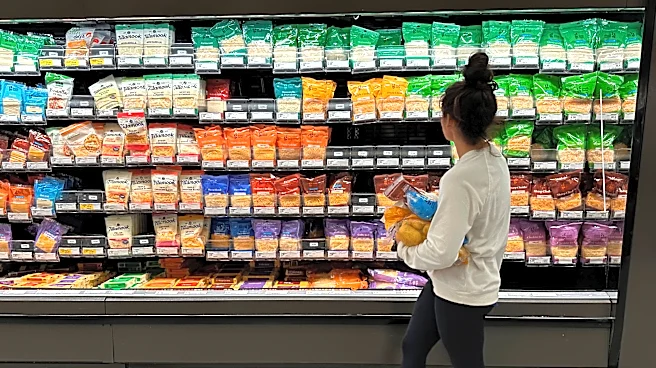
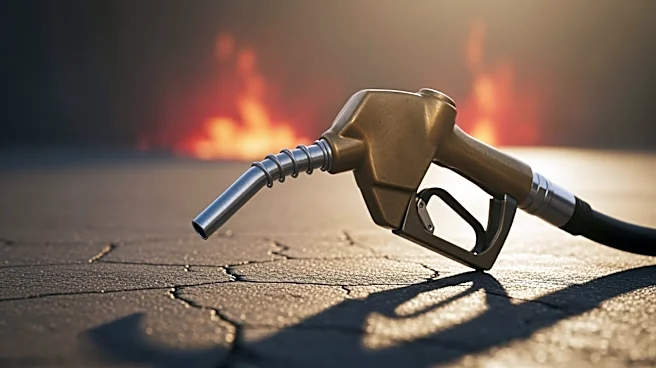
In April, U.S. consumer prices rose again, driven by surging oil costs due to the ongoing conflict in Iran. The Bureau of Labor Statistics reported a 0.6% increase in the Consumer Price Index from March to April, with a 3.8% rise over the past year. Gas
prices saw a significant 5.4% increase over the month, contributing to the overall inflation. The cost of energy, shelter, and food also rose, while prices for new vehicles and medical care declined. The war in Iran has disrupted supply chains, affecting the cost of various goods, including groceries and housing.
Why It's Important?
The rising inflation, particularly driven by energy costs, poses a significant challenge for American consumers, especially those with lower incomes. The increase in gas prices is one of the most immediate impacts of the Iran conflict, affecting consumer spending and economic stability. The situation highlights the vulnerability of the U.S. economy to global events and the importance of energy independence. Policymakers may need to consider measures to mitigate the impact on consumers and stabilize the economy.
What's Next?
The Federal Reserve is expected to monitor the situation closely, with potential adjustments to interest rates in response to inflationary pressures. Policymakers may also explore options to alleviate the burden on consumers, such as suspending the federal gas tax. The ongoing conflict in Iran and its impact on global oil markets will continue to be a critical factor influencing U.S. inflation and economic policy decisions.