






What's Happening?
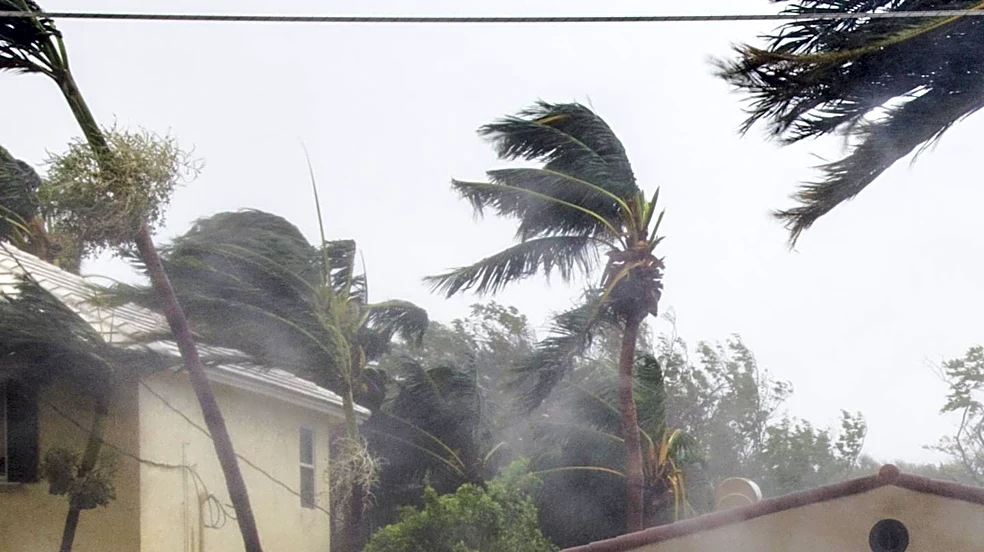
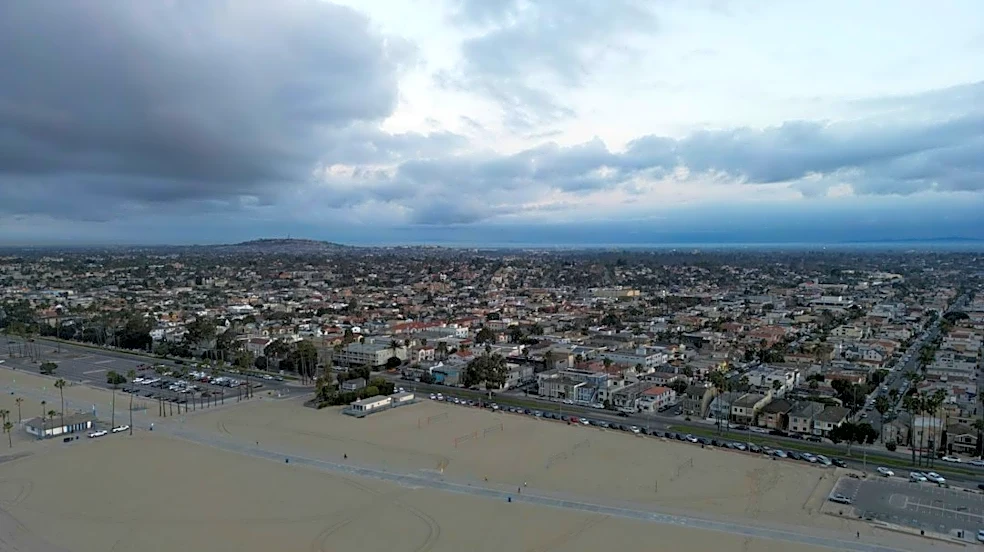
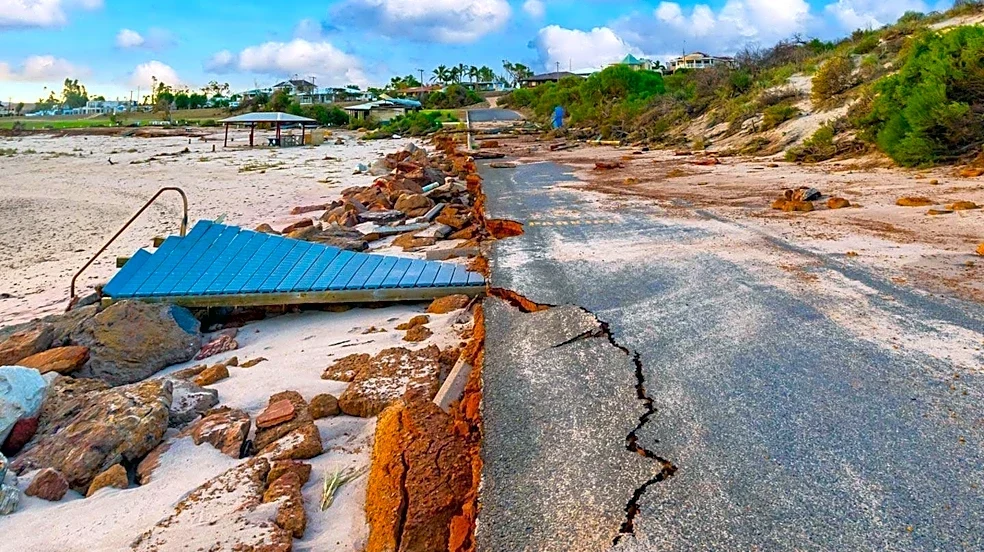
The City of Newport Beach has declared a local emergency and activated its Emergency Operations Center in anticipation of exceptionally high 'king tides' expected from October 26-28. This declaration follows widespread damage and street flooding earlier
in the month due to powerful waves and elevated ocean water levels associated with Tropical Storm Rachel. Low-lying neighborhoods along the Balboa Peninsula, islands in Newport Harbor, and other waterfront areas are considered particularly vulnerable. City officials noted that recent ocean water levels have been 18 to 22 inches higher than predicted astronomical tides, raising concerns for more severe flooding. In conjunction with the emergency declaration, the City Council approved a contract for the West Newport Beach Sand Replenishment Project. This project will involve placing approximately 100,000 cubic yards of sand along eroded beach areas between 36th and 62nd Streets, with sand transported from the mouth of the Santa Ana River. Work on this project is expected to commence later this week.
Why It's Important?
This emergency declaration and sand replenishment project are crucial for protecting Newport Beach's coastal infrastructure and residents. The recurring threat of king tides, exacerbated by potential El Niño conditions, poses a significant risk to property and public safety in vulnerable waterfront areas. The sand replenishment project is a proactive measure to mitigate coastal erosion and provide a buffer against future flooding, safeguarding homes, businesses, and public access to beaches. The activation of the Emergency Operations Center ensures coordinated efforts among city departments for flood prevention and response, which is vital for minimizing damage and ensuring efficient resource allocation. The collaboration with the Orange County Water District (OCWD) for sand supply also highlights the importance of regional partnerships in addressing environmental challenges and strengthening coastal resilience.
What's Next?
Newport Beach officials will continue to monitor tide predictions, weather forecasts, and actual ocean water levels before and during the upcoming high tides. City crews are reinforcing protective beach berms, inspecting stormwater infrastructure, preparing tide valves and pumping systems, and positioning sandbags, equipment, and personnel in flood-prone areas. Residents in vulnerable neighborhoods are urged to take protective measures, such as installing sandbags or temporary flood barriers and moving vehicles from flood-prone areas. The sand replenishment project is expected to begin later this week, providing ongoing protection. The city may implement temporary street closures and parking restrictions as conditions warrant. This period marks the first in a series of unusually high tide events expected through the new year, with El Niño conditions potentially contributing to elevated ocean water levels in the coming months.
Beyond the Headlines
The situation in Newport Beach underscores the increasing challenges faced by coastal communities due to rising sea levels and more intense weather events. The proactive measures taken by the city, including emergency declarations and sand replenishment, reflect a growing adaptation strategy to climate change impacts. This event highlights the complex interplay between natural phenomena like king tides and El Niño, and the need for robust urban planning and infrastructure development in coastal zones. The long-term implications involve not only immediate flood protection but also sustainable coastal management practices that consider ecological impacts and the economic viability of waterfront communities. The continuous need for sand replenishment also raises questions about the availability of resources and the environmental footprint of such large-scale projects, pointing to a broader discussion on sustainable solutions for coastal resilience.