




What's Happening?
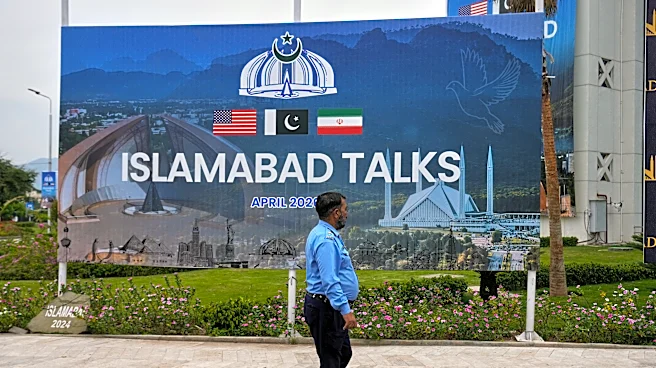
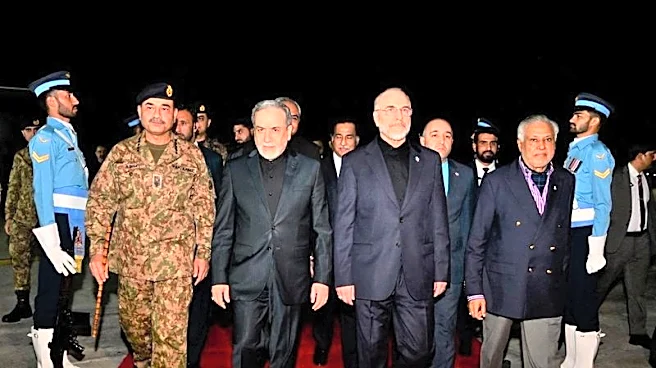
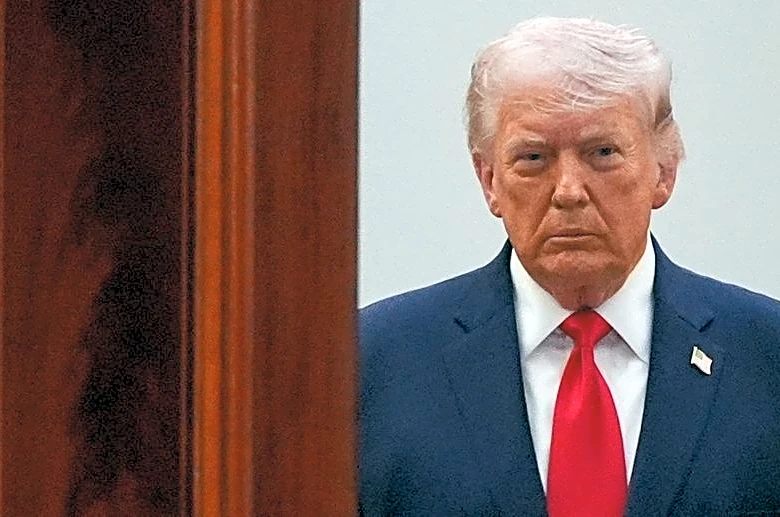
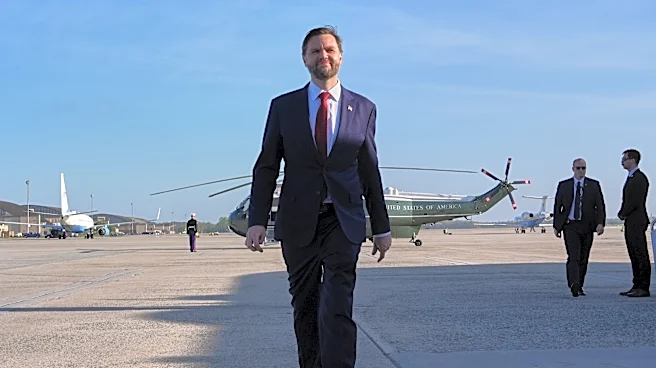
President Trump appointed Vice President JD Vance to lead U.S. negotiations with Iran in Islamabad, Pakistan. The talks were initiated following the closure of the Strait of Hormuz by Iran, which disrupted global crude and gas supplies. The negotiations,
however, did not yield a successful outcome, leaving the Middle East in a precarious situation. The decision to choose Vance was influenced by his perceived anti-war stance and potential presidential ambitions, which Iran believed could lead to a favorable resolution.
Why It's Important?
The closure of the Strait of Hormuz has significant repercussions for global energy markets, affecting supply chains and prices. The failure of the negotiations could exacerbate these disruptions, leading to increased volatility in oil prices and economic uncertainty. President Trump's choice of Vance reflects strategic considerations, as Vance is seen as less sympathetic to Israel and more inclined towards peaceful resolutions. This decision highlights the complex dynamics of U.S.-Iran relations and the broader geopolitical landscape.
What's Next?
The unsuccessful talks may prompt further diplomatic efforts or military actions to address the closure of the Strait of Hormuz and stabilize the region. The U.S. may need to reassess its strategy and engage with international partners to find a resolution. Political leaders and stakeholders in the energy sector will likely continue to monitor developments closely, as the situation remains fluid and unpredictable.