







What's Happening?
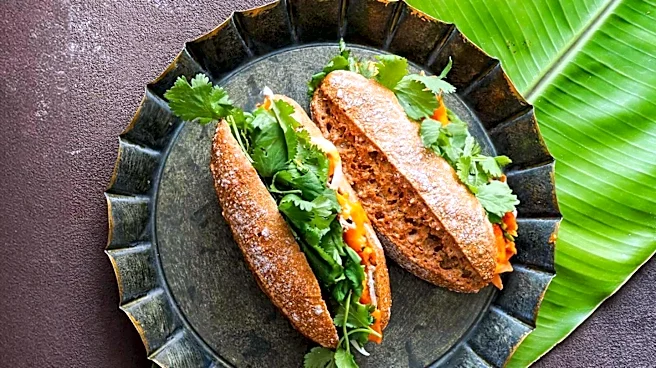
Vietnam is making strategic moves to position itself as a new 'Gastronomy Capital' on the global stage. This initiative is driven by the Vietnam Restaurant Association and industry leaders who aim to leverage the country's rich culinary heritage and emerging
food culture. The plan involves integrating digital transformation, technology, and global trends such as sustainability and wellness into Vietnam's culinary ecosystem. The country has seen a significant recovery in tourism, particularly in the Asia-Pacific region, with culinary tourism becoming one of the fastest-growing segments. Vietnamese cuisine is gaining international recognition, with cities like Đà Nẵng being named top food destinations. However, challenges remain in shifting global perceptions from 'cheap' street food to a more refined culinary identity. The initiative includes developing sustainable culinary ecosystems and positioning Vietnamese cities for international recognition as culinary destinations.
Why It's Important?
Vietnam's push to become a global gastronomy capital is significant for several reasons. It highlights the country's strategic use of culinary tourism as a tool for economic growth and cultural diplomacy. By aligning with global trends in wellness and sustainability, Vietnam can attract a diverse range of tourists and investors, boosting its tourism and hospitality sectors. The initiative also aims to enhance Vietnam's brand perception, moving beyond the 'cheap' food stereotype to a more sophisticated culinary identity. This could lead to increased international recognition and economic opportunities for local businesses. Additionally, the focus on digital transformation and technology integration reflects broader global trends in the hospitality industry, positioning Vietnam as a forward-thinking player in the culinary world.
What's Next?
The next steps for Vietnam's gastronomy initiative involve translating the vision into tangible outcomes. This includes implementing pilot projects to develop sustainable culinary ecosystems and integrating tourism, hospitality, and cultural assets. The initiative will also focus on international trade promotion, training programs, and culinary awards aligned with global standards. Vietnam aims to secure international recognition for its cities as culinary destinations, with expectations that two to three cities could receive global awards soon. The challenge lies in executing these plans swiftly to capitalize on current momentum, especially as regional competitors like Thailand and Singapore continue to advance in culinary branding and innovation.