










What's Happening?
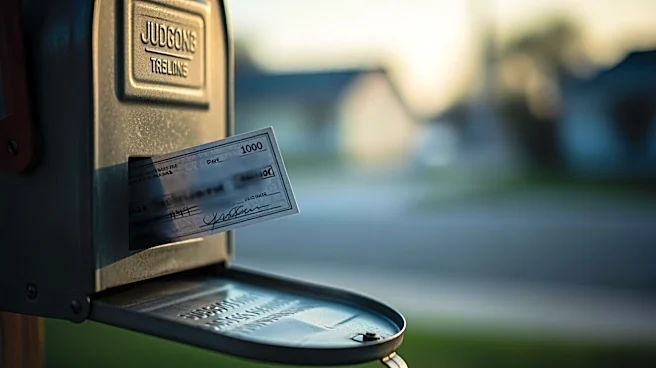
The U.S. Postal Service is experiencing a significant increase in 'check washing' fraud, a crime where thieves steal mailed checks, erase the payee and amount using household chemicals, and rewrite them for personal gain. This resurgence in mail fraud is affecting
taxpayers, Social Security and unemployment recipients, and individuals who pay bills via mail. According to the Postal Police Officers Association, reports of check fraud nearly doubled between 2021 and 2022, with mail theft increasing by approximately 2,000% since 2010. The FBI and the U.S. Postal Service have noted this alarming trend, which has led to significant financial losses for victims. A notable case involved a California couple whose check to the IRS was altered and cashed, resulting in a $12,000 liability in taxes, interest, and penalties. The bank involved only refunded the money after media intervention.
Why It's Important?
This rise in check washing fraud highlights vulnerabilities in traditional mail systems and the reliance on automated bank processing, which often fails to detect altered checks. The financial impact on individuals can be severe, as seen in cases where victims are left with significant debts and penalties. This trend underscores the need for increased security measures in mail handling and processing, as well as greater public awareness of the risks associated with mailing checks. The situation also calls for banks to enhance their fraud detection systems to better protect consumers. As more people become aware of these risks, there may be a shift towards more secure electronic payment methods, potentially reducing the reliance on traditional mail for financial transactions.
What's Next?
In response to this growing threat, the FBI and U.S. Postal Service are likely to intensify efforts to combat mail fraud through increased surveillance and public awareness campaigns. Banks may also be prompted to review and upgrade their fraud detection systems to prevent such incidents. Consumers are encouraged to adopt preventive measures, such as using gel ink pens, opting for electronic payments, and avoiding the use of mailbox flags to signal outgoing mail. These steps could help mitigate the risk of check washing fraud. Additionally, legislative or regulatory actions may be considered to enhance the security of mail services and protect consumers from financial fraud.