




What's Happening?
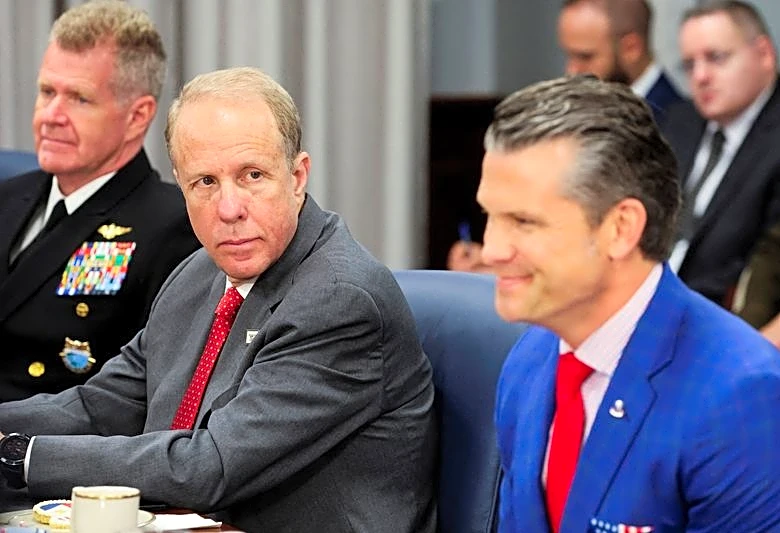
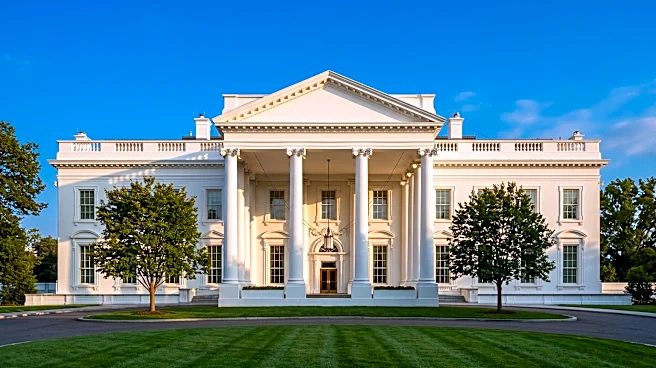
Ripple CEO Brad Garlinghouse was prominently featured in a photo from a recent White House Crypto Summit, standing directly beside President Trump. The summit, held on August 19 at the Eisenhower Executive Office Building, was the CFTC’s Innovation Advisory
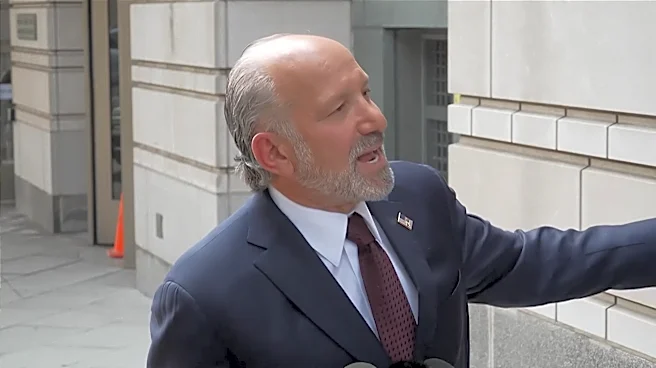
Committee meeting. President Trump reportedly introduced and thanked Garlinghouse during the event. Other notable attendees included SEC Chair Paul Atkins, CFTC Chair Michael Selig, Treasury Secretary Scott Bessent, and Commerce Secretary Howard Lutnick, alongside representatives from Nasdaq, NYSE, CME, and DTCC. This marks a continued pattern of Garlinghouse's presence at significant White House crypto engagements under the current administration, including a pre-inauguration dinner in early 2025 and the inaugural White House Digital Assets Summit.
Why It's Important?
The consistent presence of Ripple CEO Brad Garlinghouse at high-level White House crypto summits, particularly his visible proximity to President Trump, signals a potential for significant influence on the future regulatory landscape for cryptocurrencies, specifically XRP. This engagement suggests that Ripple is actively involved in discussions shaping U.S. digital asset policy. For the cryptocurrency industry, this indicates a direct line of communication with key decision-makers, which could lead to more favorable or clearer regulations. Investors and stakeholders in XRP and the broader crypto market will be closely watching these developments, as regulatory clarity is often a major factor in market stability and growth. The involvement of major financial institutions like Nasdaq and NYSE further underscores the growing mainstream recognition and potential integration of digital assets into the traditional financial system.
What's Next?
The continued engagement between Ripple and the White House suggests that Ripple is strategically positioning itself to influence upcoming cryptocurrency regulations. The XRP community anticipates that this sustained dialogue could lead to a more defined and potentially favorable regulatory environment for XRP. Future White House crypto engagements will likely continue to include Ripple, further solidifying its role in policy discussions. The industry will be observing any legislative or executive actions that emerge from these discussions, which could impact the operational framework for digital assets in the U.S. The focus will be on how these interactions translate into concrete policies that address the concerns of both innovators and regulators, potentially setting precedents for other digital asset companies.
Beyond the Headlines
The repeated inclusion of Ripple's CEO in White House discussions on cryptocurrency highlights a deeper shift in how digital assets are perceived at the highest levels of U.S. government. It suggests a move beyond initial skepticism towards a more integrated approach, where industry leaders are consulted in policy formulation. This engagement could set a precedent for other emerging technologies, emphasizing the importance of direct dialogue between innovators and policymakers. Ethically, it raises questions about the balance between industry influence and public interest in shaping regulations for a nascent and rapidly evolving sector. Culturally, it signifies the increasing mainstream acceptance of cryptocurrencies, moving them from niche financial instruments to subjects of national economic and technological strategy. The long-term implication could be a more collaborative regulatory model for disruptive technologies in the U.S.