










What's Happening?
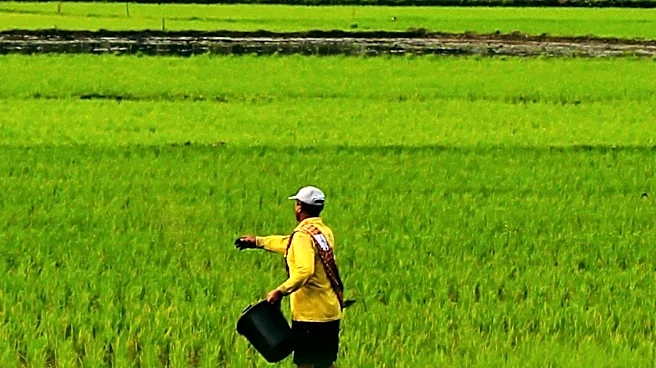
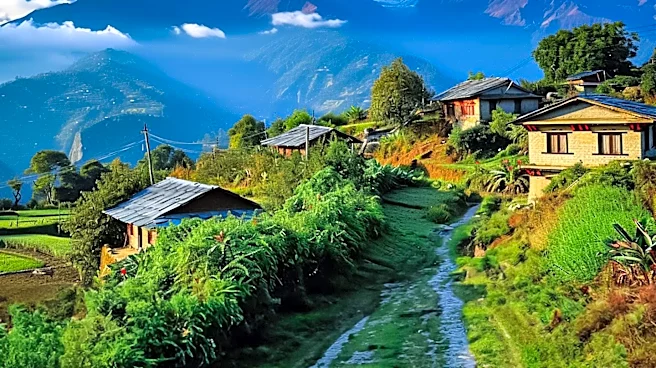
Bhimraj Angdembe, a leader of the Nepali Congress Parliamentary Party, has emphasized the need for a collective commitment to advance the agricultural sector in Nepal. On the occasion of National Paddy Day, Angdembe highlighted the importance of agriculture
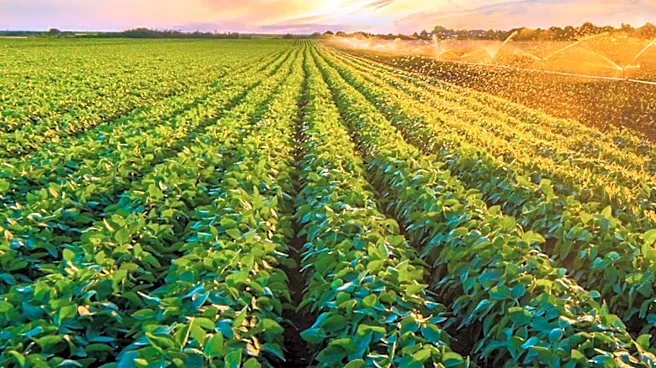
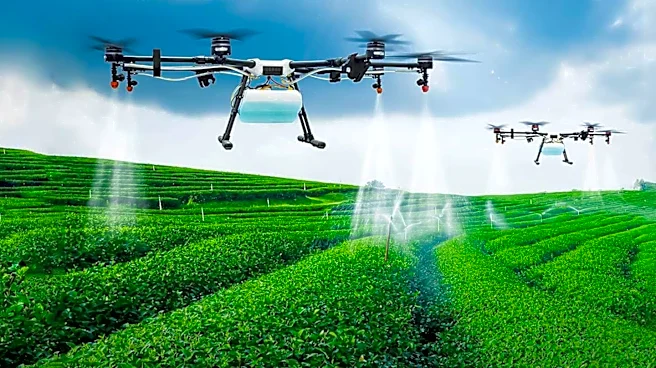
to Nepal's economy and culture, particularly the role of paddy as a staple food grain and economic backbone. He called for increased investment in agriculture, the adoption of modern technology, and the provision of quality seeds, fertilizers, and reliable irrigation. Angdembe also stressed the need for policies that are farmer-friendly and production-oriented, alongside state investment to ensure the effective implementation of the constitutional right to food. He expressed concerns over the challenges faced by farmers, including access to resources and the impact of climate change, and advocated for agricultural research, climate-friendly technology, and incentive programs to address these issues.
Why It's Important?
The emphasis on agricultural development is crucial for Nepal's economic stability and food security. Agriculture is a significant part of Nepal's economy, and enhancing this sector could lead to increased productivity and self-reliance in food grains. By addressing the challenges faced by farmers, such as access to resources and climate change impacts, the country can improve the livelihoods of its rural population and reduce dependency on imports. The call for a unified effort among political parties and stakeholders highlights the need for a coordinated approach to policy-making and investment, which could lead to sustainable agricultural practices and economic growth. This development is particularly relevant as it aligns with global trends towards sustainable agriculture and food security.
What's Next?
The next steps involve the implementation of the proposed policies and programs to modernize agriculture in Nepal. This includes the adoption of climate-friendly technologies and the establishment of production-based incentives to attract the younger generation to farming. Political parties and government bodies are expected to collaborate on creating a supportive environment for farmers, ensuring access to necessary resources and fair market prices. Monitoring the effectiveness of these initiatives will be crucial in achieving the desired outcomes of increased productivity and food security. The success of these efforts could serve as a model for other countries facing similar agricultural challenges.