




What's Happening?
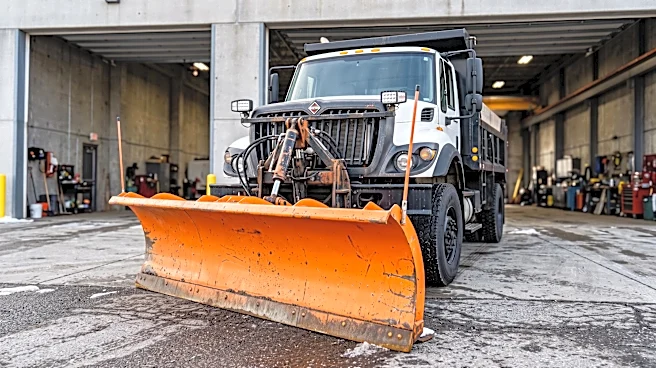
City officials in New Philadelphia are currently divided over the appropriate use of $226,000 obtained from a new 99-year cell tower lease agreement. Service Director Ron McAbier has proposed using the funds to acquire a new plow truck, citing it as an
immediate operational need for the city. Conversely, Auditor Heather Denham advocates for investing the money in technology upgrades, specifically highlighting the importance of cybersecurity enhancements. Mayor Joel Day acknowledges the immediate need for a plow truck but also recognizes the critical nature of cybersecurity requirements, which Denham emphasizes cannot be overlooked. The City Council has approved the lease agreement, deferring the decision on how to spend the funds to a later date, as stated by Law Director Marvin Fete.
Why It's Important?
This debate in New Philadelphia underscores a common challenge faced by many U.S. municipalities: balancing immediate infrastructure needs with long-term strategic investments, particularly in an era of increasing digital threats. The decision on how to allocate these funds could set a precedent for future financial decisions and impact the city's operational efficiency and digital resilience. Investing in a plow truck addresses a tangible, visible public service need, directly affecting residents' daily lives during winter months. However, neglecting cybersecurity could expose the city to significant risks, including data breaches, service disruptions, and financial losses, which could have far-reaching consequences for public trust and city operations. The outcome will reflect the city's priorities in managing its financial resources amidst shrinking budgets and increased scrutiny from the state auditor.
What's Next?
The New Philadelphia City Council is expected to revisit the discussion on the allocation of the $226,000 from the cell tower lease. Law Director Marvin Fete has indicated that officials will decide on the expenditure at a later date. This suggests that further deliberations, potentially involving public input or detailed departmental proposals, will occur before a final decision is made. The ongoing financial monitoring by the state auditor and the city's shrinking financial resources will likely add pressure to make a fiscally responsible and impactful choice. The resolution of this debate will determine whether the city prioritizes immediate operational equipment or critical technological infrastructure, influencing its preparedness for both physical and digital challenges.
Beyond the Headlines
The disagreement over the cell tower funds in New Philadelphia highlights a broader national trend where local governments grapple with evolving infrastructure demands. The push for a plow truck versus cybersecurity investment reflects a tension between traditional public works and the growing necessity of digital infrastructure. This situation also brings to light the ethical responsibility of city leaders to protect citizen data and maintain essential services in an increasingly interconnected world. The long-term implications extend beyond the immediate purchase, potentially influencing the city's ability to attract businesses, maintain public trust, and adapt to future technological advancements. The decision could serve as a case study for other municipalities facing similar budgetary constraints and competing priorities.