
What's Happening?
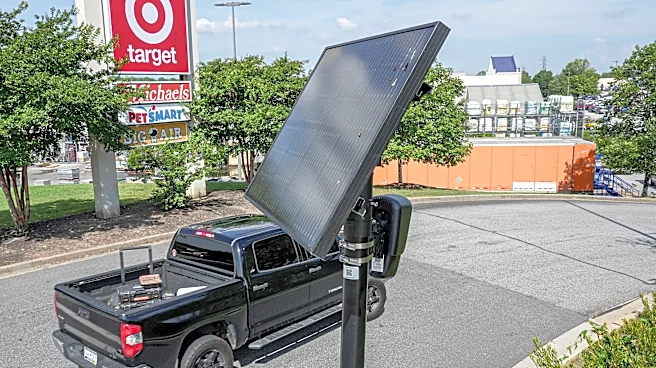
The Fort Wayne Police Department (FWPD) has officially discontinued its use of Flock License Plate Reader technology. This decision follows careful consideration and discussions between the FWPD Chief
and Mayor Tucker, particularly after the City Council voted against approving a proposed Flock contract. While the FWPD Chief initially explored options for a smaller contract to retain some cameras, the federal government authorized an early closure of the grant that initially funded the program without penalty. The Chief acknowledged the technology's value as an investigative tool, citing its use in developing leads, locating vehicles involved in criminal activity, recovering stolen vehicles, finding missing persons, and assisting in serious criminal investigations. However, the department ultimately prioritized maintaining community trust and the relationship with elected leaders over the continued use of this specific technology.
Why It's Important?
This decision highlights the ongoing tension between law enforcement's desire to utilize advanced surveillance technology for public safety and community concerns regarding privacy and trust. The Fort Wayne City Council's rejection of the Flock contract, and the subsequent decision by the FWPD to discontinue its use, underscores the importance of public and political oversight in the deployment of such tools. It suggests that even when law enforcement perceives a technology as valuable, its implementation can be halted if it risks eroding community confidence. This event could set a precedent for other municipalities grappling with similar issues, emphasizing that the social contract between police and citizens, built on trust, can outweigh the perceived benefits of certain technological advancements. It also demonstrates the influence of local government bodies in shaping law enforcement practices and technology adoption.
What's Next?
The Fort Wayne Police Department will now operate without the Flock License Plate Reader technology, which may necessitate a re-evaluation of certain investigative strategies that relied on its capabilities. The department will likely explore alternative methods or technologies that align with community expectations and gain political approval, or enhance traditional policing methods. This situation could also prompt further public discourse and policy discussions in Fort Wayne and other U.S. cities regarding the balance between surveillance, public safety, and civil liberties. Other law enforcement agencies considering or currently using similar technologies may review their own programs in light of Fort Wayne's experience, potentially leading to increased scrutiny or changes in their implementation strategies.
Beyond the Headlines
The discontinuation of Flock technology in Fort Wayne delves into the broader societal debate about the role of surveillance in a democratic society. While proponents argue for its effectiveness in crime prevention and resolution, critics often raise concerns about potential for misuse, data privacy, and the creation of a 'surveillance state.' This decision reflects a community's assertion of its values, prioritizing trust and civil liberties over a specific technological solution. It also highlights the evolving nature of policing in the digital age, where technological advancements must be carefully balanced with ethical considerations and public acceptance. The outcome in Fort Wayne could influence how future smart city initiatives and law enforcement technologies are introduced and governed across the nation, emphasizing the need for transparent processes and robust public engagement.