





What's Happening?
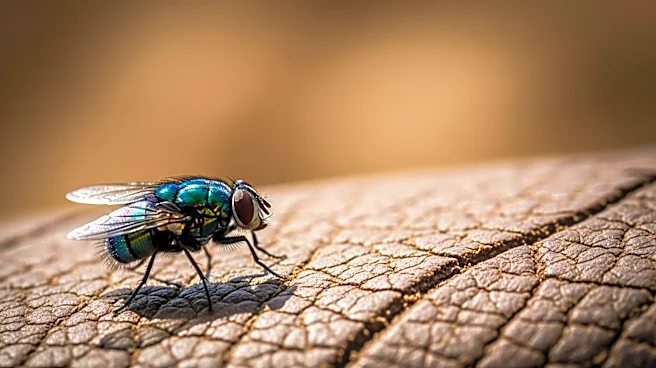
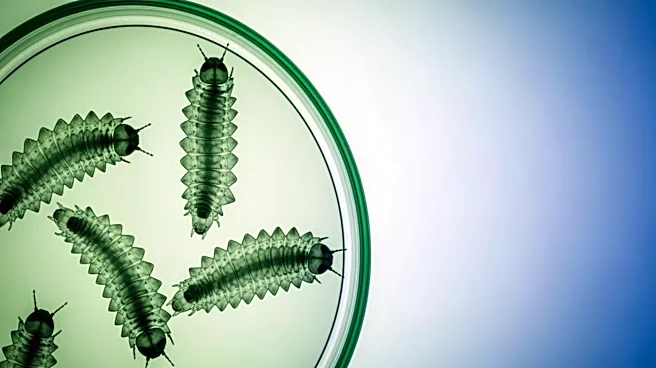
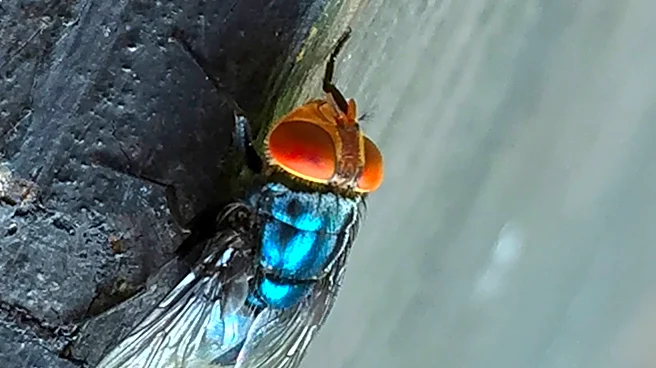
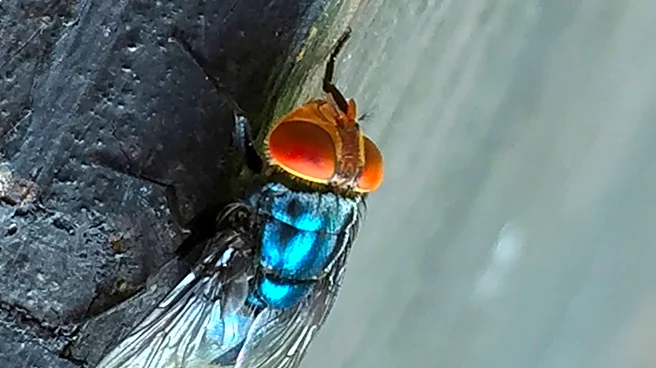
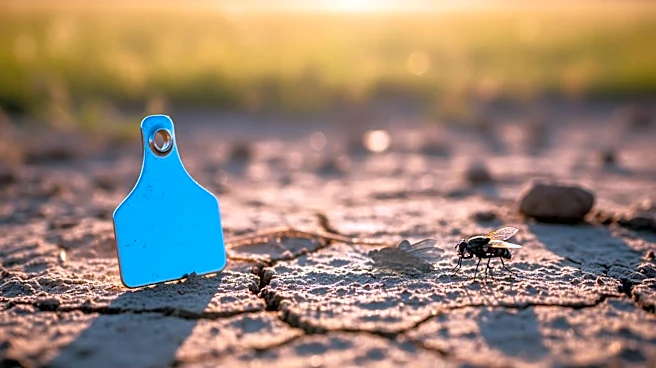
The U.S. Department of Agriculture has confirmed the presence of New World screwworm larvae in a calf in Texas, near the U.S.-Mexico border. This parasitic fly, known for its flesh-eating larvae, poses a significant threat to livestock. The USDA has been
monitoring the screwworm's northward movement from Central America and is implementing containment measures. The screwworm was eradicated in the U.S. in the 1960s through a sterile insect technique, but recent cases in Mexico have raised concerns about potential reinfestation. The USDA is working with local and state partners to prevent the spread and protect the cattle industry.
Why It's Important?
The re-emergence of screwworms in the U.S. could have severe economic implications for the cattle industry, potentially leading to billions in losses due to import restrictions, reduced productivity, and animal deaths. The situation underscores the importance of biosecurity and the need for effective pest control strategies. The USDA's proactive measures are crucial in preventing a widespread outbreak that could disrupt the beef supply chain and impact food security. This development also highlights the interconnectedness of global agricultural health and the need for international cooperation in pest management.
What's Next?
The USDA will continue to monitor the situation and implement control measures, including the release of sterile male flies to curb the screwworm population. The agency may also seek additional federal funding to enhance containment efforts. Livestock producers are advised to remain vigilant and report any suspected cases. The situation may prompt further research into sustainable pest control methods and reinforce the importance of maintaining robust agricultural health systems.