








What's Happening?
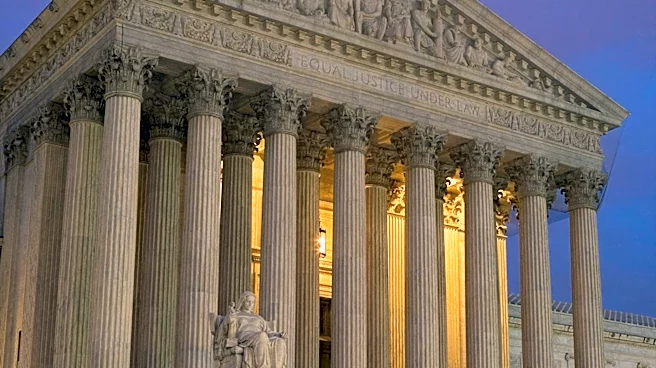
The U.S. Supreme Court has decided not to intervene in the case of Catherine Herridge, a former Fox News reporter, who faces an $800-a-day fine for refusing to disclose her confidential source. This decision comes after Herridge was held in civil contempt
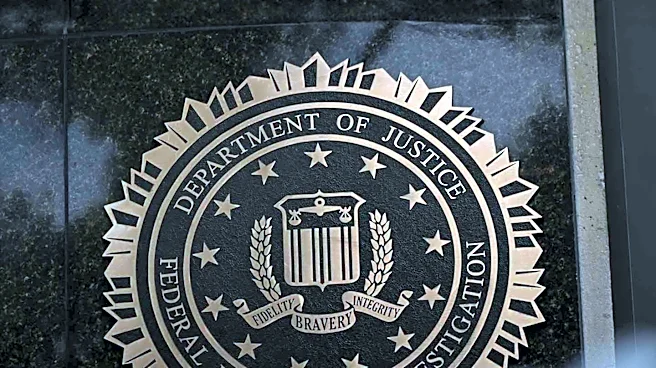
in a lawsuit filed by scientist Yanping Chen against the government. Herridge's 2017 reports for Fox News raised questions about Chen's alleged ties to the Chinese military, based on leaked information from an FBI investigation. Although the investigation did not result in charges, Chen sued the FBI and the Justice Department in 2018. U.S. District Judge Christopher Cooper ruled that Chen's need for the information in her lawsuit outweighed Herridge's right to protect her source.
Why It's Important?
This case highlights the ongoing tension between journalistic freedom and legal obligations in the U.S. The Supreme Court's refusal to intervene underscores the challenges journalists face in protecting their sources, which is a cornerstone of investigative reporting. The decision could have significant implications for press freedom, potentially discouraging whistleblowers from coming forward and impacting the ability of journalists to report on sensitive issues. It also raises questions about the balance between national security concerns and the public's right to know.
What's Next?
As Herridge continues to refuse to disclose her source, she faces mounting fines, which could lead to further legal battles. The case may prompt discussions among media organizations and legal experts about the need for stronger protections for journalists. It could also influence future court decisions regarding the rights of reporters to shield their sources, potentially leading to legislative efforts to address these issues.