



What's Happening?
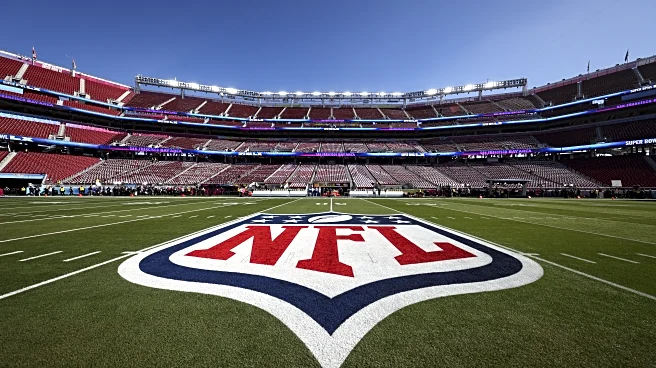
Thomas Simpkins, a 44-year-old father from California, was found dead in a creek behind Levi's Stadium in Santa Clara on February 14, 2026. Simpkins had been last seen on February 8, 2026, after attending a Super Bowl party in San Jose. He was reported
missing by his 19-year-old son, Tyler, after failing to show up for work the following day. Simpkins' sister, Brandi Stroud, flew from Oregon to assist in the search. Human remains were discovered in the San Tomas Aquino Creek, and the body was later identified as Simpkins. His cellphone and wallet were missing, and the police are investigating the death as a possible homicide. The investigation has faced criticism from the family for delays and lack of seriousness from local law enforcement agencies.
Why It's Important?
The discovery of Thomas Simpkins' body raises concerns about public safety and the effectiveness of local law enforcement in handling missing persons cases. The family's criticism of the investigation highlights potential systemic issues within the police departments involved. This case may prompt discussions on the need for improved coordination and response times in missing persons investigations. Additionally, the incident underscores the emotional and financial toll on families dealing with such tragedies, as evidenced by the family's GoFundMe campaign to cover funeral expenses.
What's Next?
The ongoing investigation into Simpkins' death will likely continue to unfold, with police working to determine the cause of death and any potential suspects. The family may seek further legal action or advocacy to ensure a thorough investigation. Public attention on the case could lead to increased scrutiny of local law enforcement practices and potentially drive policy changes to improve the handling of similar cases in the future.
Beyond the Headlines
This case highlights broader societal issues, such as the challenges faced by families in navigating the legal system during traumatic events. It also raises questions about community safety and the role of public spaces, like stadiums, in ensuring the well-being of attendees. The emotional impact on the family and community may lead to increased awareness and support for mental health resources for those affected by sudden loss.