







What's Happening?
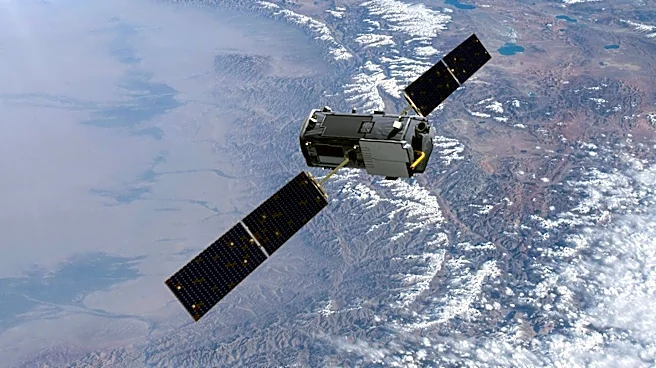
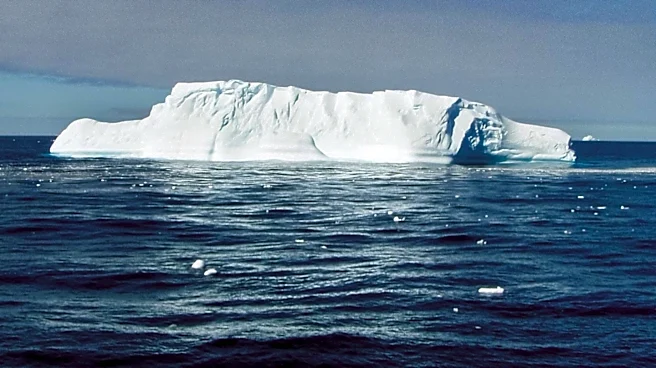
NASA scientists are conducting a study on Arctic sea ice using a combination of airborne and satellite data. The research, led by engineers at NASA's Jet Propulsion Laboratory, involves testing a spacecraft sensor designed to measure the rate at which
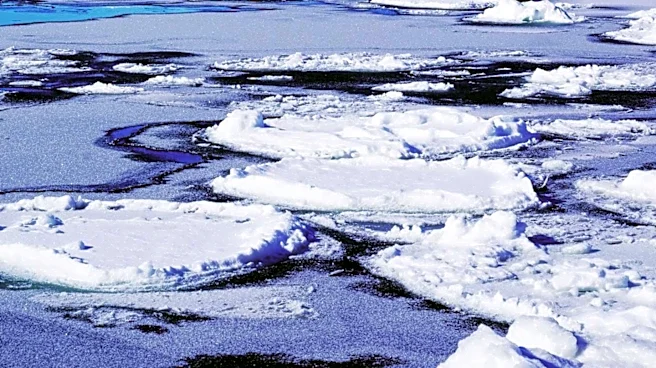
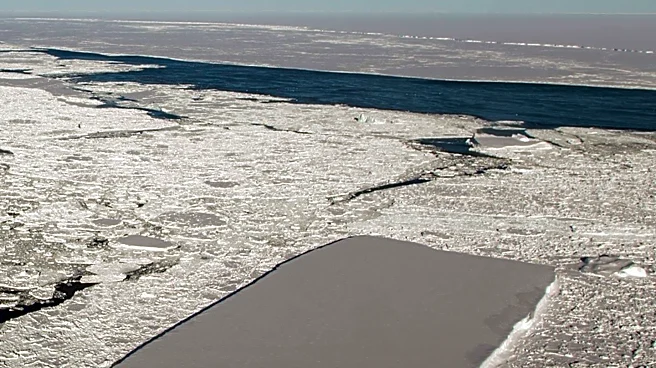
Arctic sea ice is disappearing. In April 2026, researchers flew over the Arctic Ocean in a World War II-era aircraft equipped with advanced sensors to measure sea ice thickness and snow depth. These flights were synchronized with satellite passes to collect coordinated observations. The data collected aims to improve the understanding of sea ice changes and their implications for climate conditions in the Arctic. The study is significant as the Arctic region is becoming increasingly important for navigation, weather, and ocean research due to changing ice conditions.
Why It's Important?
The study of Arctic sea ice is crucial for understanding the broader impacts of climate change. As the extent and thickness of Arctic sea ice have changed over recent decades, accurate measurements are essential for predicting future climate scenarios. The data collected will support navigation and research in the Arctic, a region that is gaining strategic and economic importance as shipping activity increases. The research also has implications for public safety and economic interests, as ongoing warming in the Arctic could affect global weather patterns and ecosystems. By improving sea ice thickness estimates, scientists can better understand the Arctic environment and its role in the global climate system.