






What's Happening?
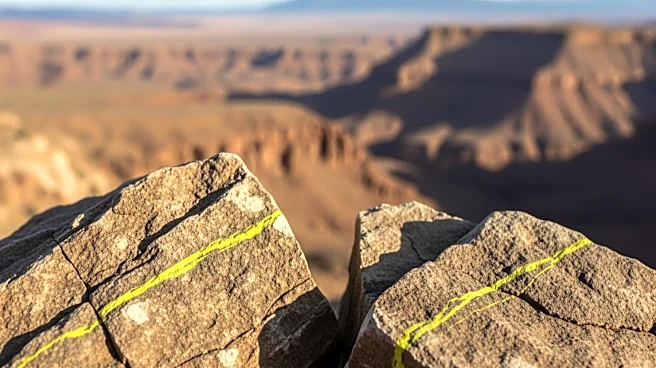
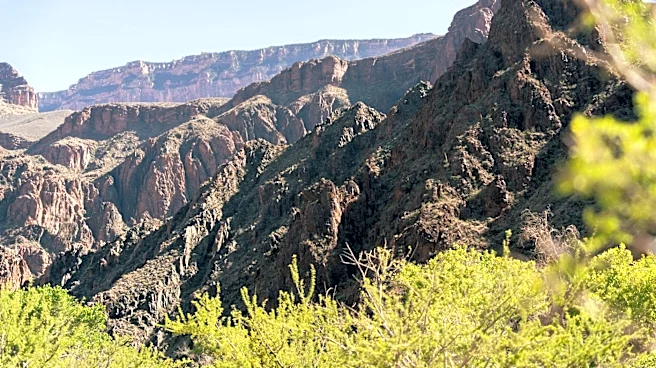
A uranium mine located approximately 10 miles south of the Grand Canyon is seeking state approval to increase the permissible levels of arsenic in the groundwater it utilizes. The mine, operated by Energy Fuels Inc., has been extracting uranium since
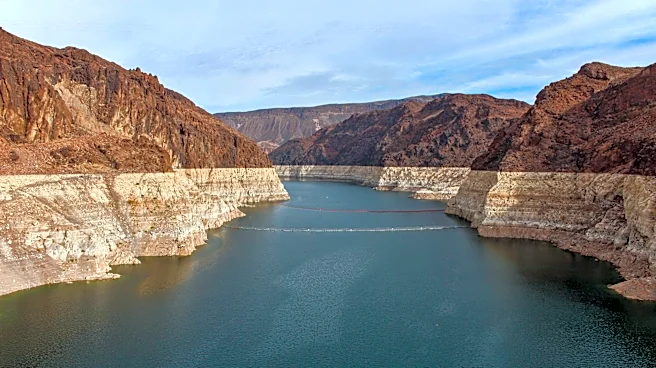
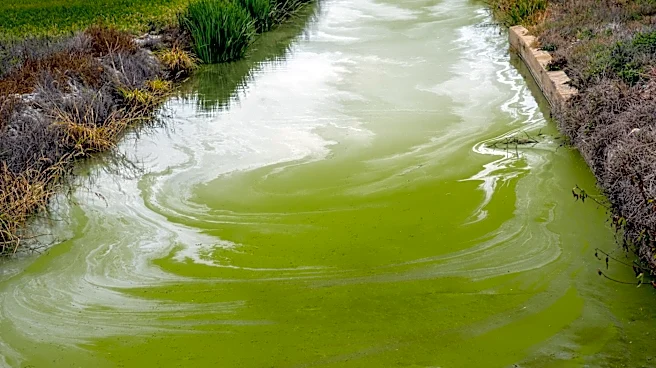
2023 and is situated within the Baaj Nwaavjo I’tah Kukveni – Ancestral Footprints of the Grand Canyon National Monument. Data submitted to the Arizona Department of Environmental Quality (ADEQ) indicates significant increases in arsenic, lead, and uranium levels in the groundwater. Advocates express concern over the potential risks to a large aquifer that serves as the sole water source for the Havasupai tribe and feeds into the Colorado River. Mine representatives argue that the elevated levels are typical of hard rock mining and assert that the water is not intended for consumption.
Why It's Important?
The request to increase arsenic levels in groundwater near the Grand Canyon raises significant environmental and public health concerns. The proximity of the mine to a major aquifer and the Colorado River means that any contamination could have far-reaching impacts on water quality and availability for local communities, including the Havasupai tribe. The situation highlights the ongoing tension between resource extraction and environmental protection, particularly in ecologically sensitive areas. The outcome of this request could set a precedent for how similar cases are handled in the future, potentially affecting regulatory standards and community trust in environmental oversight.
What's Next?
The Arizona Department of Environmental Quality is conducting a technical review of the mine's request for a minor amendment to its permit. The decision will be closely watched by environmental groups, local communities, and industry stakeholders. If approved, the amendment could lead to increased scrutiny of mining operations in the region and potentially inspire further regulatory changes. The mine's operators and environmental advocates are likely to continue their dialogue, with the possibility of legal challenges or additional regulatory actions depending on the outcome.