



What's Happening?
The Oregon Board of Forestry has honored three logging companies as 'Operator of the Year' for their respective regions, recognizing their exceptional commitment to forest health and natural resource protection. Lone Rock Logging, based in Roseburg, received
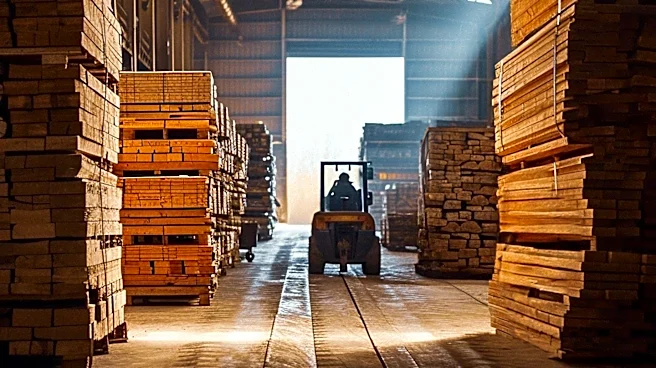
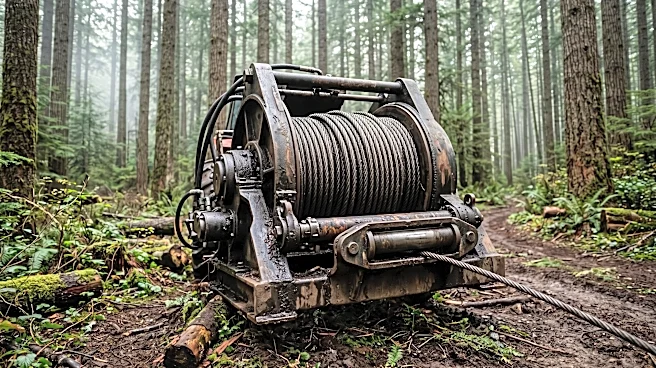
the award for Southwest Oregon. Wood River Timber, headquartered in Klamath Falls, was recognized for Eastern Oregon, and Iron Horse Logging from Mapleton was named the Northwest Oregon Operator of the Year. These awards are given to companies that consistently meet or exceed the requirements of the Oregon Forest Practices Act, demonstrating innovative and environmentally conscious logging techniques. The board highlighted practices such as the use of tethered cutting and grapple logging by Lone Rock Logging, which enhance productivity and worker safety. Wood River Timber was praised for its efforts in improving forestland health for small landowners and reducing wildfire risks through thinning overcrowded stands. Iron Horse Logging was acknowledged for its careful work in heavy rainfall areas of the Coast Range, utilizing tall yarders to minimize soil damage.
Why It's Important?
These awards underscore the growing importance of sustainable forestry practices in Oregon, a state heavily reliant on its timber industry. By recognizing companies that go beyond standard requirements, the Oregon Board of Forestry promotes a model of logging that balances economic output with ecological preservation. This approach is crucial for maintaining the long-term viability of Oregon's forests, which are vital for biodiversity, water quality, and carbon sequestration. The adoption of advanced technologies, such as tethered cutting and synthetic cables, by award-winning firms like Lone Rock Logging, signals a shift towards more efficient and less impactful logging methods. This not only benefits the environment but also enhances worker safety and operational efficiency within the industry. The focus on reducing wildfire risk, as demonstrated by Wood River Timber, is particularly significant given the increasing threat of wildfires in the Western U.S., highlighting the role of responsible forest management in community safety and ecosystem resilience.
What's Next?
The recognition of these logging firms is expected to encourage broader adoption of sustainable and innovative practices across Oregon's forestry sector. Other logging companies may look to the award winners as benchmarks for operational excellence and environmental stewardship, potentially leading to a wider integration of advanced logging technologies and forest management techniques. The Oregon Board of Forestry will likely continue to monitor and promote adherence to the Oregon Forest Practices Act, potentially using these examples to illustrate best practices. Furthermore, the emphasis on reducing wildfire risk through active forest management could influence future state-level policies and funding allocations for forest health initiatives. Continued innovation in logging equipment and methods, such as the testing of synthetic cables, suggests an ongoing evolution in the industry aimed at minimizing environmental impact while maximizing resource utilization.
Beyond the Headlines
The awards reflect a deeper cultural shift within the logging industry towards a more holistic view of forest management, where economic activity is intertwined with ecological responsibility. The personal philosophies of the award recipients, such as Ray Driscoll of Wood River Timber who emphasizes 'take care of it, it will take care of you,' highlight a generational commitment to stewardship. This perspective moves beyond mere compliance with regulations to embrace a proactive role in maintaining forest health for future generations. The use of advanced technologies not only improves efficiency but also addresses ethical considerations regarding worker safety and environmental impact. This recognition also serves to counter negative perceptions sometimes associated with logging, showcasing the industry's capacity for innovation and its contribution to environmental conservation efforts, particularly in mitigating climate change impacts through responsible forest management.