




What's Happening?
Richard A. Stoff, Senior Advisor of the Leadership Now Project and former President and CEO of the Ohio Business Roundtable, argues that Ohio's economic competitiveness and reputation are directly tied to respecting election results. This November, Ohioans
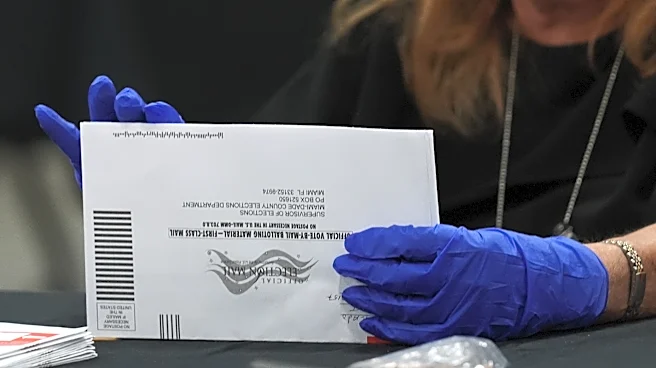
will vote for a U.S. senator, governor, members of Congress and the legislature, local officials, and key state positions including Secretary of State, Attorney General, and two Ohio Supreme Court members. These officials are crucial for resolving any election disputes. Stoff highlights that a prolonged conflict over vote counting, certification, or lawful results would negatively impact the state's economy and standing. He, along with over 50 business and civic leaders from across Ohio, including Republicans, independents, and Democrats, has signed a statement committing to support election officials against threats, correct false claims, defend officials and judges from improper political interference, and speak out if lawful certification is obstructed. The state's election system, with its 88 county boards of elections, paper ballots, public equipment testing, and transparent procedures, is described as having sound safeguards.
Why It's Important?
The stance taken by Ohio's business and civic leaders underscores a growing concern among economic stakeholders regarding the stability and integrity of democratic processes. By linking election respect directly to the state's competitiveness, these leaders are signaling that political instability and challenges to election outcomes can deter investment, harm business confidence, and damage Ohio's overall economic environment. A reliable and predictable political landscape is often a prerequisite for sustained economic growth and attracting new businesses. The collective commitment from a bipartisan group of influential figures suggests a broad recognition that the foundational principles of democracy are not just political ideals but also practical necessities for economic prosperity. This initiative aims to safeguard the state's reputation as a stable and trustworthy place for business, preventing potential economic fallout from election-related disputes.
What's Next?
The upcoming November elections in Ohio will serve as a critical test for the commitment outlined by these business and civic leaders. Their public pledge indicates that they will be actively monitoring the election process, from voting to certification, and are prepared to intervene if they perceive any obstruction of lawful results or threats to election officials. This could involve public statements, advocacy, and potentially leveraging their influence to ensure a smooth and respected electoral outcome. The focus will be on how state and local officials manage the election and how any disputes are handled. The actions of these leaders could set a precedent for how business communities engage with election integrity issues in other states, particularly in politically polarized environments. Their continued vigilance and potential interventions will be crucial in reinforcing the message that election integrity is paramount for Ohio's future.
Beyond the Headlines
This initiative reflects a deeper societal shift where business leaders are increasingly stepping into the political arena to advocate for democratic norms, recognizing that a stable political environment is fundamental to economic health. It highlights the ethical dimension of corporate responsibility, moving beyond traditional profit motives to include civic engagement and the defense of democratic institutions. The bipartisan nature of the signatories suggests a consensus among diverse economic and civic groups that the integrity of elections transcends partisan politics. This movement could foster a new model of corporate activism, where businesses become more vocal guardians of democratic processes, potentially influencing public discourse and policy. It also raises questions about the long-term implications of such interventions on the relationship between the private sector and government, and whether this trend will expand to address other foundational issues impacting societal stability.