

What's Happening?
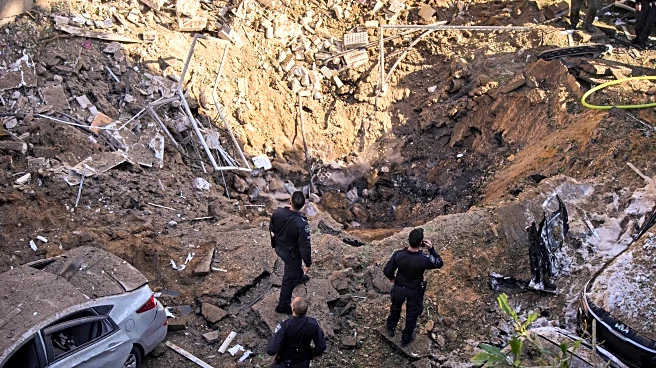
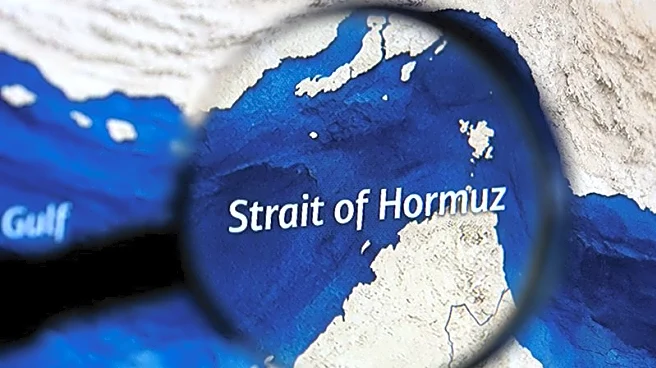
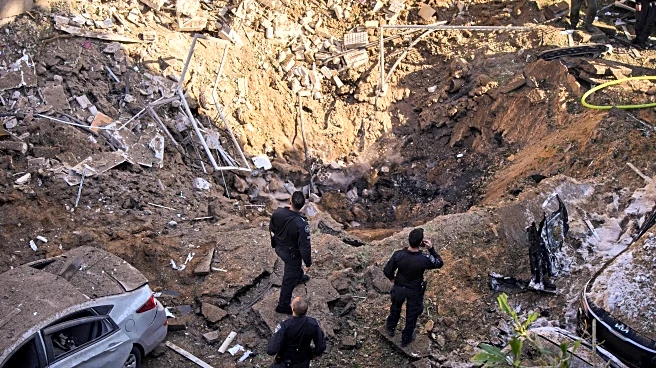
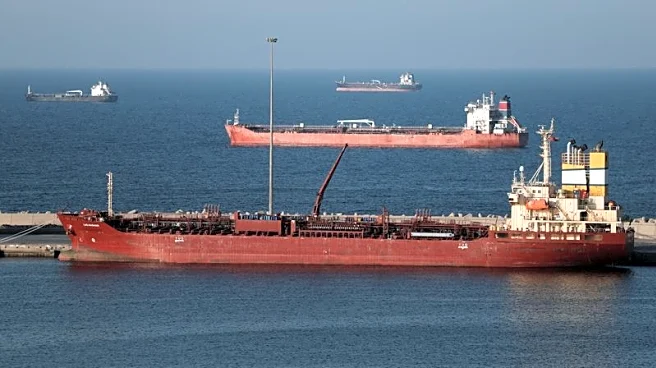
The ongoing conflict in Iran has led to a significant disruption in the global fertilizer supply chain, particularly affecting the U.S. agricultural sector. The blockade of the Strait of Hormuz, a critical passage for global trade, has resulted in a severe
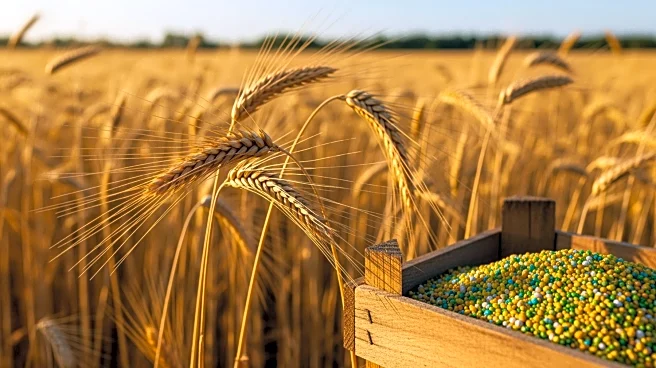
shortage of fertilizers, including urea, which is essential for modern farming. This shortage comes at a critical time for American farmers who are preparing for the spring planting season. The U.S. agricultural industry, which supports over 48 million jobs and contributes $10.4 trillion to the economy, is facing increased costs as fertilizer prices have surged by nearly 30% since the conflict began. The U.S. relies on imports for 25% of its fertilizer needs, with significant portions previously sourced from the Middle East, now stranded due to the conflict.
Why It's Important?
The fertilizer shortage poses a substantial threat to the U.S. agricultural industry, which is a major component of the national economy. The increased costs of fertilizers could lead to higher production costs for farmers, potentially resulting in increased food prices for consumers. The agricultural sector's reliance on imported fertilizers highlights vulnerabilities in the supply chain that could have long-term economic impacts. The situation underscores the interconnectedness of global trade and the potential for geopolitical conflicts to have far-reaching economic consequences. The disruption could also lead to job losses in the agricultural sector, affecting millions of livelihoods across the country.
What's Next?
The resolution of the conflict and the reopening of the Strait of Hormuz are critical to stabilizing the fertilizer supply chain. In the meantime, U.S. farmers may need to seek alternative suppliers, such as Morocco and Latin American countries, although these options may not fully mitigate the current shortages. The U.S. government and industry stakeholders may need to explore strategies to enhance domestic fertilizer production and reduce dependency on imports. Additionally, there may be increased pressure on policymakers to address the broader economic impacts of the conflict and support the agricultural sector through this challenging period.