



What's Happening?
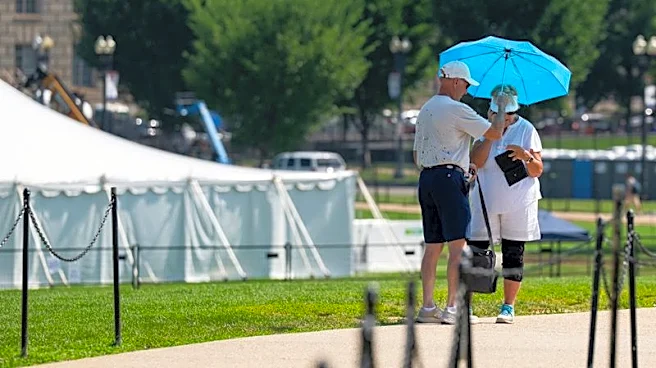
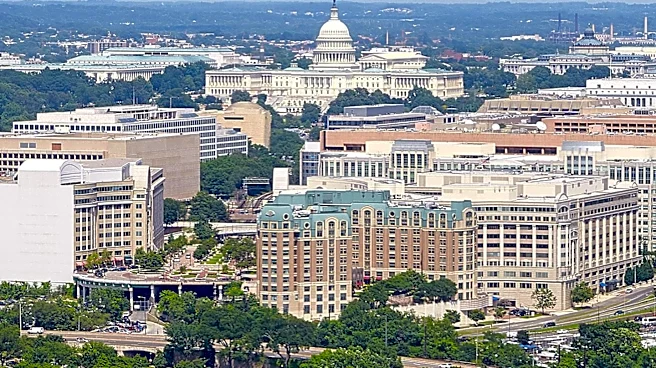
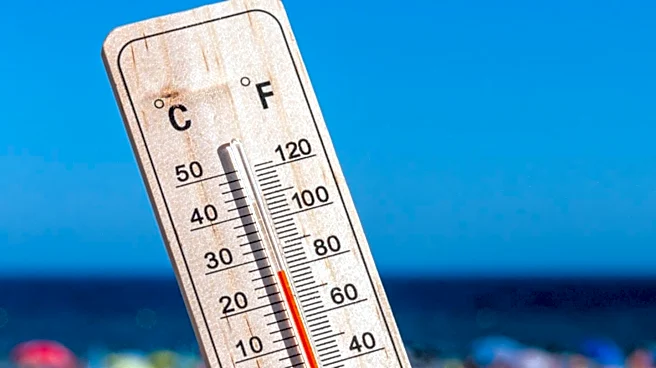
Several visitors to the Great American State Fair in Washington, D.C., required life support and hospitalization due to extreme heat conditions. The event was temporarily shut down as temperatures soared to 102 degrees, with a heat index reaching 113
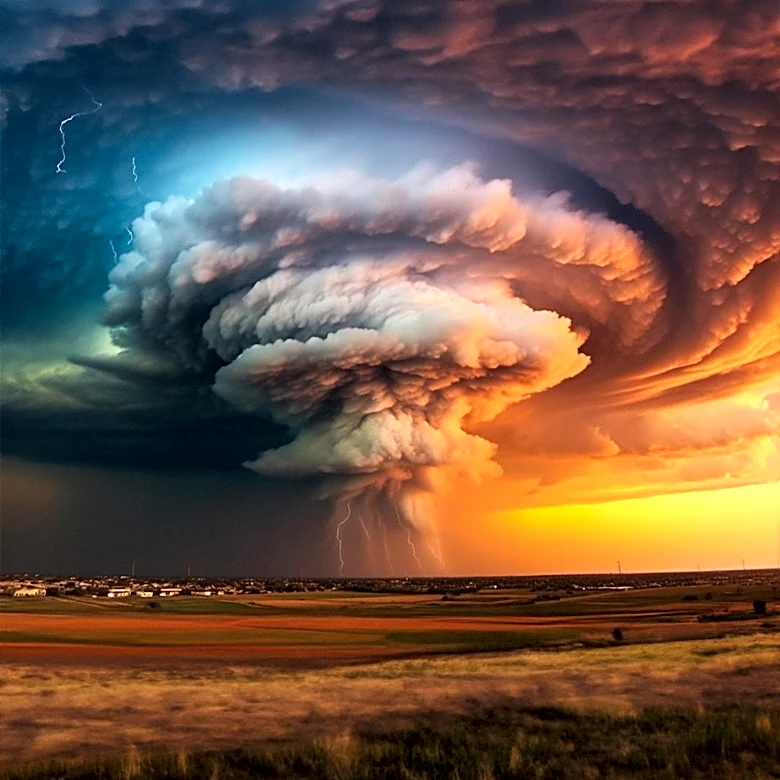
degrees. The U.S. Secret Service closed security checkpoints on the National Mall due to severe weather, urging attendees to seek shelter. The National Weather Service forecasted continued high temperatures and thunderstorms, prompting organizers to delay the fair's opening and implement safety measures such as cooling tents and water stations.
Why It's Important?
The incident at the Great American State Fair underscores the severe impact of extreme heat on public health and safety. It highlights the challenges faced by event organizers in ensuring the well-being of attendees during such conditions. The situation also reflects broader concerns about climate change and its role in increasing the frequency and severity of heat waves. The need for effective emergency response and infrastructure capable of handling extreme weather is critical to prevent health crises and ensure public safety.
What's Next?
Organizers and authorities will likely continue to monitor weather conditions closely and adjust event schedules and safety protocols as needed. The focus will be on preventing further health incidents and ensuring that attendees have access to necessary resources, such as hydration and cooling areas. In the long term, there may be increased emphasis on developing strategies to mitigate the effects of extreme heat on public events and infrastructure.