






What's Happening?
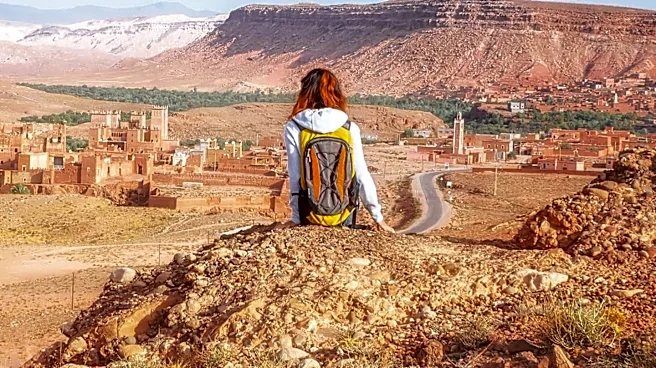
Solo female travelers planning trips to Morocco are advised to prioritize safety and cultural awareness for a rewarding experience. The U.S. Department of State recommends increased caution due to terrorism risk and petty crime in major cities, while
the UK government highlights potential unwanted attention for women traveling alone. Key recommendations include planning routes, dressing modestly, using trusted transportation, and securing personal documents and phone connectivity. Common challenges for solo women in Morocco often involve persistent street attention, sales pressure, and navigation difficulties rather than dramatic emergencies. Travelers are encouraged to arrive in new cities before dark, keep accommodation addresses private, firmly decline unwanted help, and avoid isolated areas at night. If a situation feels uncomfortable, stepping into a public place like a shop or cafe is advised to reset. Preparation, such as checking government travel advisories, saving digital and offline copies of important documents, and sharing itineraries with someone at home, is crucial before departure.
Why It's Important?
The guidance for solo female travelers to Morocco underscores the importance of proactive safety measures and cultural sensitivity in international travel. For U.S. citizens, understanding and adhering to these recommendations can significantly mitigate risks associated with foreign travel, aligning with advisories from the U.S. Department of State. The emphasis on modest dress and respectful behavior reflects the need for travelers to acknowledge and adapt to local customs in Muslim-majority countries, fostering positive interactions and reducing potential misunderstandings. Economically, a safer travel environment can encourage tourism, benefiting local economies that rely on international visitors. However, if safety concerns are not adequately addressed, it could deter potential travelers, impacting the tourism sector. The advice also highlights the growing trend of solo female travel, emphasizing the need for tailored safety information to empower women to explore diverse destinations confidently while being prepared for unique challenges.
What's Next?
Travelers planning future trips to Morocco should continue to monitor updated travel advisories from their respective governments, such as the U.S. Department of State and the UK government, as conditions can change. Before departure, individuals should re-verify entry requirements, local laws, and health information. It is anticipated that travel agencies and online platforms catering to solo female travelers will increasingly integrate these safety recommendations into their itineraries and advice. The focus on reliable phone connectivity suggests a growing reliance on technology for safety and navigation, prompting telecommunication providers to offer more accessible and affordable international data plans. Furthermore, local Moroccan tourism operators may adapt their services to better cater to solo female travelers, potentially offering more guided tours, secure accommodation options, and transparent transportation services to enhance safety and comfort.
Beyond the Headlines
Beyond the immediate safety concerns, the advice for solo female travelers to Morocco touches upon broader themes of global citizenship and responsible tourism. The emphasis on cultural awareness and respectful dress encourages travelers to engage with host communities in a manner that honors local traditions, moving beyond a purely transactional tourist experience. This approach can foster greater cross-cultural understanding and reduce the likelihood of cultural insensitivity. The challenges faced by solo female travelers, such as persistent street attention, also highlight underlying societal dynamics in certain regions regarding gender interactions in public spaces. Addressing these issues through informed travel practices can contribute to a more equitable and respectful global tourism landscape. Moreover, the reliance on technology for safety, such as offline maps and reliable phone connections, points to the evolving nature of travel preparedness in the digital age, where personal devices are increasingly integral to personal security and navigation in unfamiliar environments.